



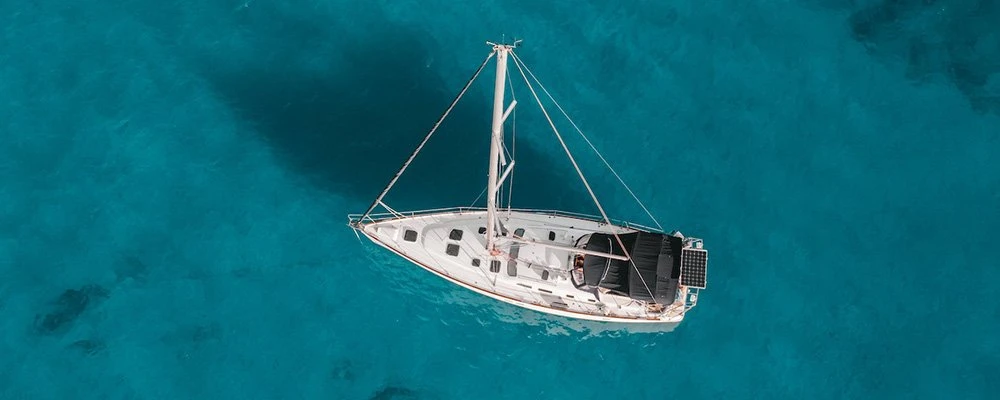
Seasickness can turn dream boat trips into nightmares, but choosing calmer waters and protected routes makes a huge difference. Protected bays, inland waterways, coastal passages with minimal swell, and short hops between islands often provide the gentlest rides. Here are some of the smoothest boat routes worldwide, ideal for anyone prone to motion sickness.
The British Virgin Islands — Mostly Sheltered Sailing
The BVI offer one of the world’s most beginner-friendly and calm cruising grounds. The islands form a natural barrier, keeping Atlantic swell out of the Sir Francis Drake Channel. Routes between Tortola, Virgin Gorda, Jost Van Dyke, and Anegada stay in flat, turquoise water most of the time. Distances are short — often 5–15 nautical miles — so passages rarely last more than a couple of hours. Anchorages like The Baths, White Bay, and Cane Garden Bay sit in protected spots with minimal roll. Many sailors who get seasick elsewhere report feeling perfectly fine here.
The Florida Keys — Intracoastal Waterway and Gulf Side
The Keys provide two smooth options: the protected Intracoastal Waterway (ICW) along the mainland side or the calmer Gulf of Mexico routes between islands. From Miami to Key West, sticking to the ICW avoids open-ocean chop entirely. Bridges open on schedule, and the water stays glassy in most weather. On the ocean side, routes between Key Largo, Islamorada, Marathon, and Key West hug the reef and stay in relatively shallow, sheltered water. Short hops and frequent stops keep time underway minimal.
The Dalmatian Coast, Croatia — Island-Hopping in Protected Waters
Croatia’s Adriatic coast ranks among the smoothest Mediterranean cruising areas. Thousands of islands create endless lee shores, blocking wind and swell from most directions. Popular routes — Split to Hvar, Korčula, Mljet, Dubrovnik, or the Elafiti Islands — stay inside channels and behind island chains. The water often resembles a lake, even when the open Adriatic kicks up. Distances between stops are short, and many marinas and anchorages offer excellent protection from afternoon breezes.
The Whitsunday Islands, Australia — Great Barrier Reef Lagoon
Inside the Great Barrier Reef, the Whitsundays deliver flat-water paradise. The 74 islands shield the area from Pacific swell, creating millpond conditions in most winds. Classic routes circle Hill Inlet, Whitehaven Beach, Hook Island, and Hamilton Island in protected bays and passages. Most legs last 1–3 hours, and anchorages like Nara Inlet and Tongue Bay stay calm overnight. The trade winds blow consistently but rarely create chop inside the reef.
The San Juan Islands, Washington State — Puget Sound Protected Cruising
Puget Sound and the San Juans offer some of the calmest Northwest boating. Island groups break up wind and waves, and routes between Orcas, San Juan, Lopez, and Shaw Islands stay in sheltered channels. Swell is almost nonexistent compared to the open Pacific coast. Passages are short, currents are predictable, and anchorages like Roche Harbor, Friday Harbor, and Deer Harbor provide excellent holding in flat water. Summer weather often brings glassy mornings and light afternoon breezes.
The Greek Ionian Islands — Sheltered from Meltemi Winds
The Ionian Sea on Greece’s west coast avoids the strong northerly Meltemi that hits the Aegean. Routes between Corfu, Paxos, Antipaxos, Lefkada, Ithaca, Kefalonia, and Zakynthos stay in protected gulfs and channels. The water remains flat even in stronger winds, and short distances between islands keep passages quick. Anchorages like Lakka, Fiskardo, and Vathy offer calm overnight spots with minimal roll.
The Chesapeake Bay, USA — Massive Protected Estuary
North America’s largest estuary provides thousands of miles of sheltered water. Routes from Annapolis to St. Michaels, Oxford, Tangier Island, or the Eastern Shore stay inside the bay, away from ocean swell. The bay averages 20–40 feet deep with gentle chop at worst in most weather. Countless creeks and rivers offer flat anchorages, and passages between popular spots rarely exceed a few hours.
General Tips for Minimizing Seasickness on Any Route
- Choose catamarans or wide monohulls — they roll less than narrow sailboats.
- Travel in the morning when winds are lightest.
- Stay near land or islands for natural windbreaks.
- Keep passages under 4–5 hours when possible.
- Position yourself midship or at the center of motion.
- Focus on the horizon, stay hydrated, and eat light.
- Many boats now carry quality Marine Parts like advanced stabilizers or better-balanced rudders that further reduce motion.
These routes prove you don’t need to avoid boats altogether if you get seasick — you just need to pick the right waters. Protected passages, short hops, and natural barriers turn potentially miserable trips into smooth, enjoyable adventures.
