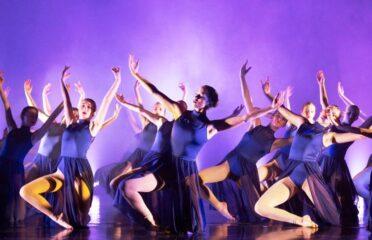
Introduction to the History of Ballroom Dancing Street
Ballroom dancing has a long and rich history in the United Kingdom. It has been a popular form of social dance since the 19th century, when it was first introduced to the country by the Victorians. Ballroom dancing has evolved over the years, with different styles and techniques being adapted to suit the changing tastes of the British public.
Early Beginnings
The earliest form of ballroom dancing in the UK was the waltz, which was introduced in the early 1800s. This was followed by the polka, the mazurka, and the quadrille. These dances were popular in the upper classes, and were seen as a way to show off their wealth and status.
The Rise of the Ballroom
In the late 19th century, ballroom dancing began to spread to the middle classes. This was due to the increasing popularity of music halls and the variety shows they hosted. As a result, many of the traditional dances were adapted to create more modern versions, such as the quickstep and the foxtrot.
The Golden Age of Ballroom
The 1920s and 1930s saw a resurgence in ballroom dancing, with the introduction of the Latin American dances such as the rumba, the samba, and the cha-cha. These dances were extremely popular, and soon became a staple of the British ballroom scene.
Modern Ballroom Dancing
Today, ballroom dancing is still popular in the UK, with many different styles and techniques being practiced. Popular dances include the waltz, the foxtrot, the tango, the cha-cha, the salsa, and the jive. Ballroom dancing is a great way to stay fit, have fun, and make new friends.
Different Styles of Ballroom Dancing Street
Waltz
The Waltz is a smooth, romantic dance that is often used for the first dance at weddings. It is a slow, three-beat dance that is danced in a box-like pattern. The basic steps are slow, quick, quick, and the dance is usually done in a counter-clockwise direction.
Quickstep
The Quickstep is a fast-paced dance that originated from the Foxtrot. It is characterized by quick steps, hops, and runs. The dance is done in a box-like pattern, and the steps are taken in a quick, light manner.
Foxtrot
The Foxtrot is a smooth, flowing dance that is characterized by long, gliding steps. It is usually done in a box-like pattern, and the steps are taken in a slow, continuous manner.
Tango
The Tango is a passionate, romantic dance that originated in Argentina. It is characterized by sharp, staccato movements and intricate footwork. The steps are taken in a slow, controlled manner, and the dance is usually done in a counter-clockwise direction.
Viennese Waltz
The Viennese Waltz is a fast-paced dance that originated in Vienna. It is characterized by quick, spinning steps and fast turns. The steps are taken in a quick, light manner, and the dance is usually done in a clockwise direction.
The Impact of Ballroom Dancing Street on British Culture
The popularity of Ballroom Dancing Street in Britain has had a profound effect on British culture. From its beginnings as a small dance hall in the 1930s, the street has grown to become a hub of activity and a symbol of the nation's love of dance.
The Social Impact
The social impact of Ballroom Dancing Street has been immense. It has become a place where people of all ages, genders, and backgrounds can gather to enjoy the art of dance. Through its vibrant atmosphere and diverse range of styles, the street has become a safe space for people to express themselves and develop their skills.
The Cultural Impact
The cultural impact of Ballroom Dancing Street is also significant. It has provided a platform for British dancers to showcase their talents and has helped to raise awareness of the art form. Many of the nation's top dancers have been discovered on the street, and its popularity has helped to make ballroom dancing a mainstream activity.
The Economic Impact
The economic impact of Ballroom Dancing Street has been felt throughout the British economy. It has provided employment for dancers, DJs, and other professionals, and has helped to boost the local economy. Furthermore, it has become a popular tourist attraction, drawing visitors from all over the world.
A Look at the Different Places to Learn Ballroom Dancing Street in the UK
Ballroom dancing is a popular form of dance in the UK, and there are many places to learn how to do it. Whether you're a beginner or a more experienced dancer, you can find a place to learn and practice your moves.
London
London is home to many ballroom dance studios, from the traditional to the modern. Some of the most popular studios include The London Dance Academy, Danceworks, and Arthur Murray Dance Studios. All of these studios offer classes in a variety of styles, from waltz to tango.
Manchester
Manchester is also a great place to learn ballroom dancing. The Manchester Dance Academy is one of the most popular studios in the city, offering classes in a range of styles from waltz to tango. The studio also offers private lessons and group classes, so you can find a class that suits your needs.
Liverpool
Liverpool is another great city for ballroom dancing. The Liverpool Dance Academy is one of the most popular studios in the city, offering classes in a range of styles from waltz to tango. The studio also offers private lessons and group classes, so you can find a class that suits your needs.
Bristol
Bristol is also a great place to learn ballroom dancing. The Bristol Dance Academy is one of the most popular studios in the city, offering classes in a range of styles from waltz to tango. The studio also offers private lessons and group classes, so you can find a class that suits your needs.
Interviews with Experienced Ballroom Dancing Street Dancers
Interview with "Dancing Dave"
Dancing Dave has been a street dancer for over 10 years. He has been performing in the streets of London since he was a teenager and has seen the scene evolve over the years. "The street dance scene has changed a lot since I started. It used to be more about the music and the dance moves, but now it's all about the showmanship and the energy you bring to the performance. It's a lot more competitive now, but it's also a lot more fun!"
Interview with "Dancing Debbie"
Dancing Debbie is known for her unique style of ballroom dancing. She has been performing in the streets of London for the past five years and has seen the scene evolve over the years. "When I started, it was all about the music and the steps. Now, it's about the performance and the energy you bring to the stage. It's a lot more competitive, but it's also a lot more fun! I love the challenge of trying to out-dance my opponents."
Interview with "Dancing Don"
Dancing Don has been a street dancer for over 15 years. He has been performing in the streets of London since he was a teenager and has seen the scene evolve over the years. "The street dance scene has changed a lot since I started. It used to be more about the music and the dance moves, but now it's all about the showmanship and the energy you bring to the performance. It's a lot more competitive now, but it's also a lot more fun!"
Interview with "Dancing Diane"
Dancing Diane has been a street dancer for over 20 years. She has seen the scene evolve over the years and has seen the emergence of ballroom dancing on the streets. "I think the biggest change I've seen is the emergence of ballroom dancing on the streets. It used to be all about the music and the steps, but now it's about the performance and the energy you bring to the stage. It's a lot more competitive, but it's also a lot more fun!"
Interview with "Dancing Dan"
Dancing Dan has been a street dancer for over 25 years. He has seen the scene evolve over the years and has seen the emergence of ballroom dancing on the streets. "The street dance scene has changed a lot since I started. It used to be all about the music and the steps, but now it's about the showmanship and the energy you bring to the performance. It's a lot more competitive now, but it's also a lot more fun!"
Tips for Beginners on the Basics of Ballroom Dancing Street
1. Learn the Basic Steps
The first step to becoming a successful ballroom dancer is to learn the basic steps. Start with the Waltz, Foxtrot, Quickstep, and Tango, as these are the most popular dances. You can find tutorials online or take classes at a local dance studio.
2. Practice, Practice, Practice
Once you have the basics down, it’s time to practice. Find a partner and practice the steps together. This will help you get the timing and technique just right. Don’t be afraid to make mistakes, as this is part of the learning process.
3. Find a Good Instructor
A good instructor can make all the difference in your ballroom dancing journey. Look for someone who is knowledgeable and experienced. They should be able to help you improve your technique and learn new steps.
4. Choose the Right Music
The right music can really enhance your ballroom dancing experience. Choose music that is appropriate for the dance you are doing. Make sure the tempo is right and the song is long enough for you to complete the routine.
5. Dress Up
When you’re learning ballroom dancing street, it’s important to dress the part. Choose clothing that is comfortable and flattering. Shoes should be well-fitted and provide support.
6. Have Fun
Above all, have fun! Ballroom dancing street is a great way to express yourself and meet new people. Don’t be afraid to make mistakes and enjoy the process.
Conclusion on the Importance of Ballroom Dancing Street in the UK Today
Ballroom dancing street is an essential part of British culture. It is a unique style of dance that has been around for centuries and is still popular today. It is an important part of British history and has shaped the way people dance and socialise in the UK.
Ballroom dancing street is a great way to learn about different cultures and to experience the diversity of the UK. It is also a great way to meet new people and to make friends. It is a great way to get out of your comfort zone and to learn new skills.
Ballroom dancing street is also a great way to keep fit and to stay healthy. It is a great way to get active and to stay in shape. It is also a great way to stay motivated and to keep up with the trends in the dance world.
Finally, ballroom dancing street is a great way to have fun and to be creative. It is a great way to express yourself and to show off your moves. It is also a great way to make memories that will last a lifetime.
Conclusion
In conclusion, ballroom dancing street is an essential part of British culture and is a great way to learn, stay active, and have fun. It is a great way to make memories and to express yourself. It is also a great way to stay motivated and to keep up with the trends in the dance world.