




Monkey Music Potters Bar, Enfield &
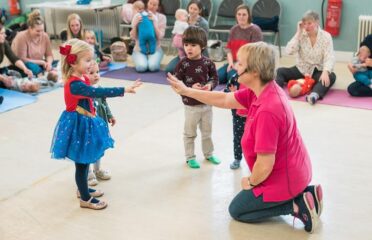
Monkey Music Potters Bar, Enfield & Cheshunt, Enfield
 Forty Hill, Enfield EN2 9EU...



- 1
- 2
- 3
Music School
A music school teaches singing and instrumental skills through lessons, courses and structured tuition, often supporting graded exams and performance. This directory lists 86 music schools across the UK, ranging from private teaching studios to larger schools with several tutors and ensembles. It helps children and adults find tuition whether they are starting an instrument, preparing for exams or returning after a break. Provision differs from place to place, so comparing a few is sensible before enrolling.
About Music school Listings
Music schools commonly offer one-to-one and group lessons across instruments such as piano, guitar, strings, woodwind, brass and voice, alongside theory and, in some cases, ensemble or band sessions. Many prepare students for recognised graded examinations and support performance opportunities. Provision usually spans early beginners through to advanced players, with lessons for young children, teenagers and adults. Some schools focus on classical training while others include contemporary, jazz or music technology.
Featured Music school Listings
- Cantata School of Music & Performing Arts
- The LT Academy - Private Singing Lessons. Recording Studio.Performance Troupe.
- Space2B Studios
- Musical Fun Time - Music Classes For Early Years In Great Chart, Ashford, Kent
- Newry Musical Feis
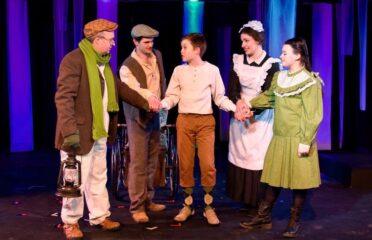
- Secret Garden Musical Theatre School
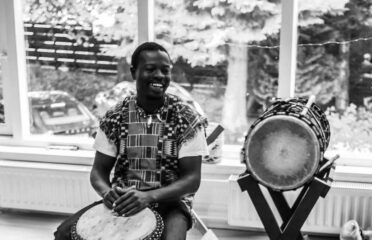
- Thomas Annang Drumming & Dance
- Monkey Music Potters Bar, Enfield & Cheshunt
- Hartt School Community Division
- Novosibirsk Specialized Music School College
- The Juilliard School
- School of Jazz | The New School
- Atlanta Institute of Music and Media
- Mountain Top Music Center
- Frost School Of Music
Browse all 86 music school listings across the UK above.
Choosing Music school
When choosing a music school, check which instruments and styles it teaches, the tutors' experience and whether lessons are one-to-one or in groups. Ask about lesson length, whether exams are supported, what happens about instruments and practice, and how progress is tracked. It is worth arranging a trial lesson so you or your child can meet the tutor and see whether the approach suits you. Consider location and lesson times too, since regular attendance matters for progress.
Frequently Asked Questions
Which dance is best for beginners?
For those starting out, simple social styles such as salsa, jive or basic ballroom are popular because they have easy foundations and plenty of beginner classes. The best option is usually one you enjoy and can attend regularly nearby.
Is dancing good for heart failure?
Light, regular movement such as gentle dancing can be a pleasant way to stay active and is sometimes part of cardiac rehabilitation, but it depends on the individual. Anyone with heart failure should check with their GP or cardiologist first.
What should I wear to a beginner dance class?
Comfortable clothing you can move freely in and smooth-soled shoes that allow you to turn are a good choice. Avoid heavy-grip trainers and take water along; beginner sessions tend to be informal about dress.
How much does a dance class usually cost?
A single group dance class in the UK typically ranges from a few pounds up to around fifteen pounds, with block bookings often cheaper per session. Costs vary by location and the type of session.
Which dance is best for beginners?
Approachable styles like salsa, ceroc or basic ballroom suit newcomers well thanks to their simple basics and widely available beginner classes. Choose the one that appeals most and is convenient to reach.
Is dancing good for heart failure?
Gentle dancing can offer light, enjoyable exercise and may feature in supervised cardiac rehabilitation, though suitability varies from person to person. Always seek medical advice before starting if you have heart failure.