



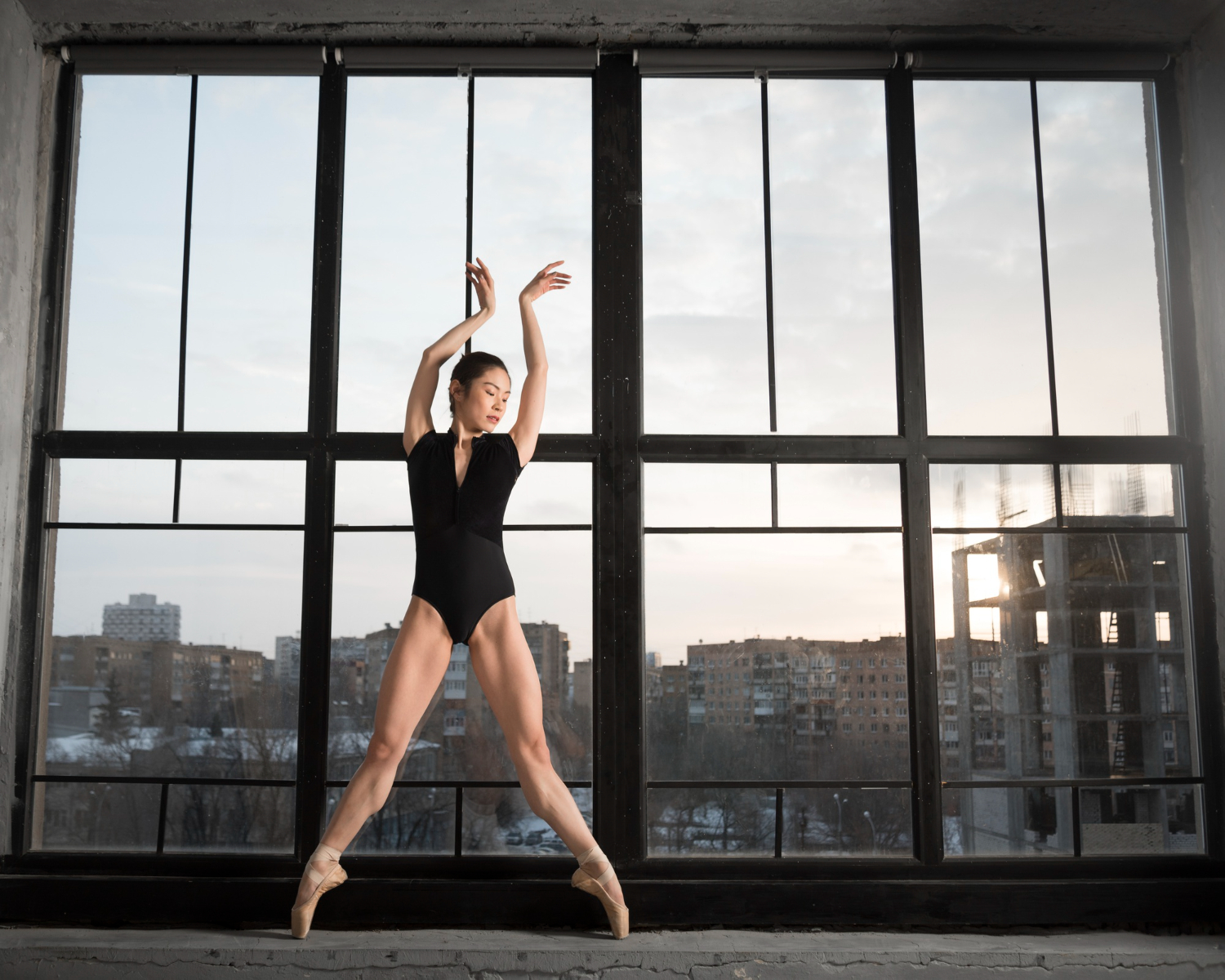
In educational institutions and dance studios, windows play a much more important role than in ordinary residential premises. It is not just a matter of heat or reducing heating costs. First and foremost, it is about a stable microclimate, physical comfort, and the safety of people who spend many hours a day in the room. Children, teenagers, adult students, and teachers are constantly moving, breathing actively, and working at varying speeds. In such conditions, even minor heat loss or drafts quickly become noticeable.
Properly selected energy-saving windows directly affect concentration, well-being, and overall performance. They help to avoid sudden temperature fluctuations, reduce the load on heating and cooling systems, and create predictable, stable conditions for learning and training.
For general education schools, ballroom dance schools, and specialized studios, it is extremely important to maintain a consistent temperature throughout the day. Fluctuations, overheating, or cold areas near windows quickly reduce students’ endurance and negatively affect the quality of the learning process. That is why the choice of a window system should be viewed as a strategic infrastructure decision rather than a formal replacement of outdated structures.
Features of classrooms and dance studios
Classrooms, sports halls, and dance studios have a number of specific characteristics. As a rule, these are large rooms with high ceilings and a significant number of people at the same time. During classes, the air heats up quickly, and after breaks or during the cold season, the temperature drops just as quickly.
In such conditions, energy-saving windows must work stably in different modes. They must retain heat without condensation in winter and limit excessive heating in summer. This is especially important for halls with large window openings or south-facing orientation, where solar radiation creates additional heat load.
Thermal insulation as a basic criterion
For educational and training facilities, the heat transfer coefficient of the window construction is of fundamental importance. A low U-value means that heat remains inside the room and the heating system operates evenly, without peak overloads.
For most schools and dance studios, it is recommended to choose windows with a coefficient of up to 1.1 W/m²K. In the case of large halls, modern buildings, or projects with increased energy efficiency requirements, it is advisable to aim for even lower values. This allows you to maintain the same temperature throughout the entire room, without cold areas near the floor or window openings.
Double glazing and safety issues
In rooms where children study or engage in active training, double glazing must meet several requirements at once. It must be energy efficient, durable, and safe in everyday use.
Multi-chamber double glazing with energy-saving Low-E coating and argon inside the chambers provides the necessary level of thermal insulation. At the same time, it is important to pay attention to the thickness of the glass and the possibility of using tempered or laminated glass. Such solutions significantly reduce the risk of injury in the event of accidental impacts with a ball, equipment, or during intense movements in the dance hall.
Profile system for intensive use
For schools and dance spaces, PVC profiles with increased rigidity and sufficient installation depth remain the optimal choice. They retain heat well, maintain their geometry even during prolonged use, and do not require complex maintenance.
In regions with intense sun, high humidity, and seasonal temperature fluctuations, Alicante PVC windows have proven themselves well. Such systems are adapted to daily loads, provide stable tightness, and are suitable for both municipal schools and private dance studios.
Noise insulation and concentration during classes
Learning and dancing require maximum concentration. If a school or studio is located near a busy road, transport interchange, or in a densely populated area, external noise quickly becomes a serious problem.
Energy-saving windows with increased noise insulation allow you to create a quiet acoustic environment. In such a space, teachers can be heard clearly, music sounds clean, and students can fully concentrate on the learning or training process.
Installation as a factor in long-term efficiency
For large educational and sports facilities, installation errors have particularly negative consequences. Even minor violations of technology lead to heat loss, drafts, and uneven heating of the hall.
Professional installation with precise alignment of structures, proper sealing, and joint sealing ensures that windows will retain their characteristics for many years. This is especially important for institutions where windows are used daily and without interruption.
Practical recommendations for school and studio managers
When choosing energy-saving windows for classrooms and dance studios, it is important to consider more than just the initial cost. It is important to analyze the full range of characteristics, including thermal and noise insulation, safety, durability, and installation quality.
Such a balanced decision directly affects the comfort of students, the stability of building maintenance costs, and the overall quality of the educational or training process throughout the year.
FAQ: Frequently asked questions
Are the requirements for windows for schools and dance studios different?
The basic requirements are similar, but for dance halls, ventilation capabilities, resistance to intense loads, and increased noise insulation are also important.
What type of profile is best suited for large halls?
PVC profiles with sufficient installation depth and rigidity are the optimal solution for spacious rooms with large window areas.
Are energy-saving windows necessary in warm regions?
Yes. They not only retain heat in winter, but also limit overheating in summer, which is especially important for halls with active classes.
How important is sound insulation for a dance school?
It is crucial, especially in urban environments. Good sound insulation directly affects the quality of classes and the concentration of students.
Is it possible to save on installation for educational institutions?
No. Mistakes during installation quickly lead to additional costs and deterioration of the operating conditions of the premises.
