



Artists approach the same result in different ways: some rely on rapid, on-the-fly adjustments to match changing tasks, while others prefer a consistent, predictable hit with a familiar feel across long sessions. This comparison focuses on what actually affects day‑to‑day work—ergonomics, stroke behavior, hit consistency, battery life, and speed control—so it’s clear when a fully adjustable pen outperforms a fixed‑stroke setup, and when the opposite is true.
If the goal is one pen that covers bold lining, dense color packing, smooth black & grey, and dotwork without swapping machines—and doing so at very low speeds with stable power—consider vlad blad ultron 4 pro.
Adjustable Multistroke from 3.2 to 5.5 mm, adaptive SmartHit response, and a high‑capacity 4000 mAh battery enable quick transitions between techniques while maintaining control and saturation with minimal skin trauma.
For those who value fixed, predictable stroke behavior, compact weight, and a sharp, stable hit across long sessions, ultron 3 is a strong match.
With 3.7/4.2/4.7 mm factory stroke options, the M3Pro motor, DirectPower control, and StableHit feedback, it delivers a consistent feel and precise frequency handling that many artists prefer for clean lines and efficient packing at a lighter form factor.
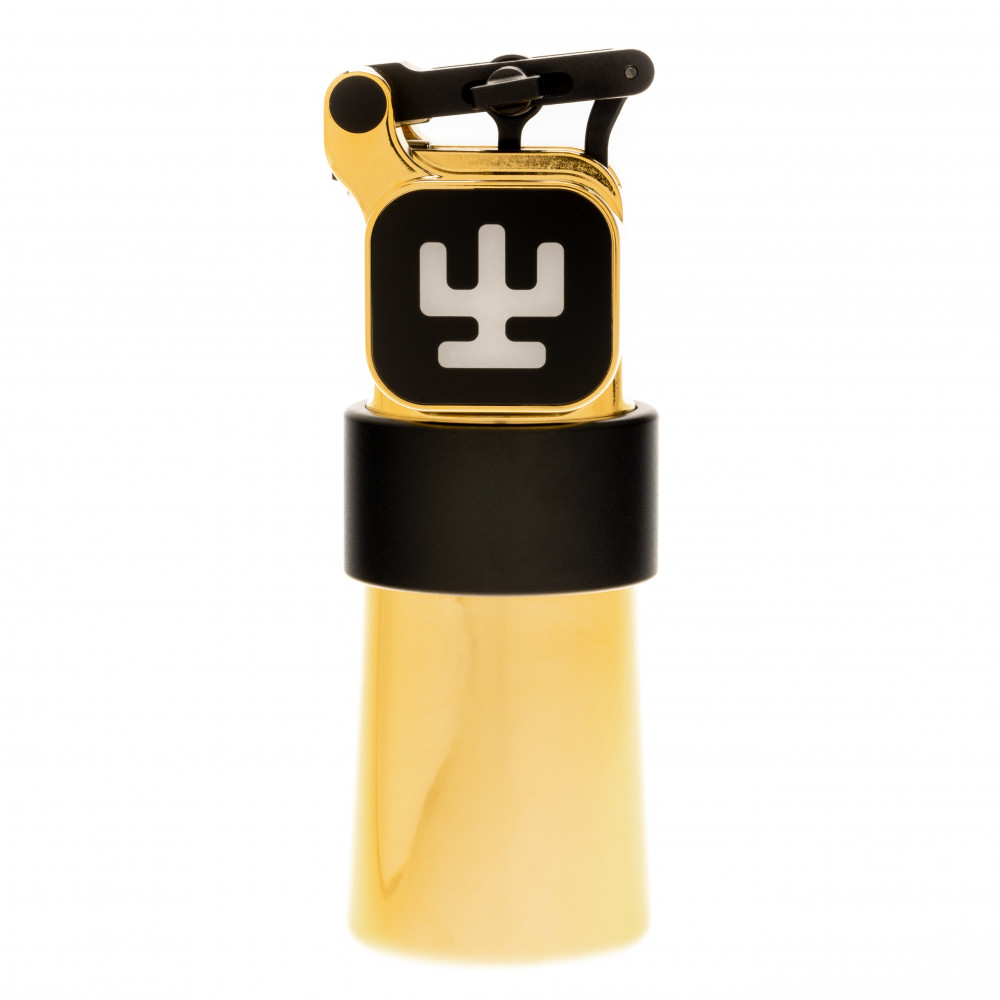
Design and ergonomics
Ultron 4 Pro prioritizes control during long sessions with a short, well-balanced body, an asymmetric cartridge opening that keeps the tip visible, and premium materials—titanium, carbon fiber, aerospace-grade aluminum, and hardened glass—that improve durability and hygiene while reducing fatigue. The 118 × 36–40 mm form factor and approximately 282 g weight create a planted feel for steady lining and consistent shading, helped by quieter operation and reduced side vibration.
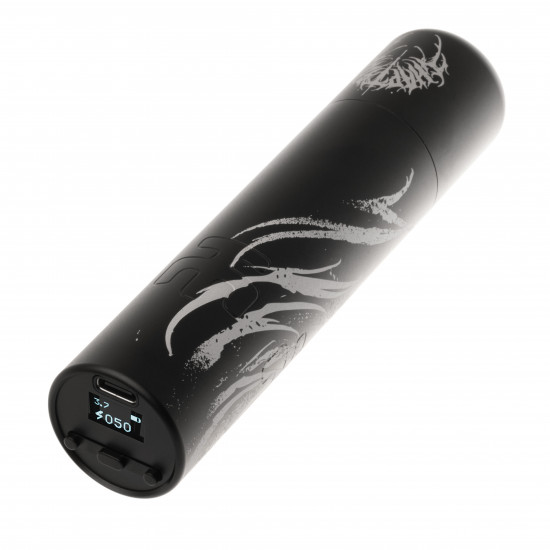
Ultron 3 takes a different path: a compact 31 mm × 135 mm cylindrical profile in recycled aerospace aluminum, a very low center of gravity, and a light 178 g build that feels nimble for precision moves and long holds. Compatibility with disposable Cheyenne grips, thoughtful button placement, and start‑stop motion sensing contribute to a clean workflow with minimal distractions, especially when switching grips or posture mid-session.
Motor and control systems
The M3Ultra motor in Ultron 4 Pro delivers dual power output with DirectPower stabilization, maintaining consistent performance at ultra-low frequencies down to 10 Hz while handling heavy magnum groups without dropping voltage. Frequency range spans 10–130 Hz with smooth transitions, and SmartHit adaptive modes automatically adjust response based on pressure, skin thickness, and cartridge type—enabling precise dotwork at low speeds and efficient color packing at higher frequencies without manual recalibration.
Ultron 3 employs the M3Pro brushless motor (12.6W) paired with a mechanical flywheel that stores and releases energy to sharpen hit characteristics. DirectPower maintains stable 12-volt output with speed control via magnetic field modulation rather than voltage reduction, ensuring adequate skin penetration even at 30 Hz and reducing the risk of weak hits during slow, detailed work. StableHit technology monitors needle resistance and instantly corrects frequency drift when pressure or membrane stiffness changes, keeping the hit nature predictable across different cartridges and working angles.
Stroke and hit behavior
Ultron 4 Pro offers six precise stroke positions—3.2, 3.5, 3.8, 4.2, 4.7, and 5.5 mm—so the pen can pivot instantly from soft greywash to bold lining without swapping machines or grips. Beyond raw stroke length, SmartHit adaptive modes (Stable, Soft 1–3, Sharp 1–3) tune response to pressure, skin, and cartridge behavior, while the Antigravity system lets the artist bias the feel toward a cushioned glide or a punchier drive on demand. The result is predictable saturation at both low and high speeds, with less trauma when feathering and enough authority for dense packing on large groupings.
Ultron 3 focuses on consistency with factory‑set strokes—3.7, 4.2, or 4.7 mm—chosen to match the artist’s primary technique and preferred hit nature out of the box. Its mechanical flywheel sharpens the impact at the end of the stroke, helping needles sit under the skin fractionally longer for cleaner single‑pass lines and tighter fills, while StableHit electronics keep frequency steady under varying pressure or membrane stiffness. This makes the machine feel familiar and repeatable day to day, especially for artists who value a locked‑in, deliberate hit over frequent mid‑session adjustments.
Power, battery life, and user experience
Ultron 4 Pro is built for uninterrupted sessions: a 4000 mAh battery delivers up to 22 hours per charge, reduces mid‑day swap anxiety, and pairs with fast recharging and a replaceable pack design for long‑term reliability. Quiet operation with markedly lower side vibration helps maintain a steady hand during delicate shading, while the clear display and intuitive controls keep adjustments visible without breaking focus.
Ultron 3 balances mobility and endurance with a 2040 mAh battery rated for roughly 5–7 hours, backed by USB‑C fast charging that adds about 1.5 hours of runtime in a short top‑up window. A motion‑based start‑stop system powers the pen only when it’s in hand, conserving energy between passes, and the simple layout of the screen and buttons minimizes friction during frequency tweaks mid‑session.
Applications by style and technique
For bold lining and blackwork with large groupings, Ultron 4 Pro’s extended stroke options up to 5.5 mm and adaptive hit control provide confident penetration and stable line weight across tricky areas like ribs and ankles, with low‑speed authority that reduces blowouts and keeps edges crisp. When switching to dense color packing, the same setup benefits from SmartHit’s pressure responsiveness, maintaining saturation as cartridges change size or membrane stiffness increases through the session.
For smooth black & grey, realism, and gradient work, Ultron 4 Pro’s 3.2–3.8 mm settings with a softer response preserve transitions and reduce trauma during feathering, while the quiet, low‑vibration feel helps with long, controlled passes. If a fixed, predictable profile is preferred, Ultron 3 at 3.7 mm excels for soft shading and refined gradations, with StableHit keeping frequency steady when easing pressure near highlights or fading edges.
Dotwork and stipple benefit from precise frequency control at the low end: Ultron 4 Pro operates from 10 Hz to shape fine patterns with consistent spacing and depth, and can ramp seamlessly when filling larger fields without reconfiguring the pen. Ultron 3’s reliable performance from around 30 Hz upward supports crisp micro‑bursts and controlled pacing, favored by artists who prefer a consistent cadence and a lightweight body for micro‑movements.
Hygiene, materials, and maintenance
Ultron 4 Pro is engineered with premium surfaces—titanium, carbon fiber, aerospace‑grade aluminum, and hardened glass—that resist wear and simplify wipe‑downs between needle and grip changes, supporting consistent hygiene standards in busy studios. The asymmetrical cartridge opening keeps the tip visible and unobstructed, reducing accidental contact with gloved fingers when checking needle travel, while the tight body tolerances and quiet mechanics minimize micro‑vibration that can transfer residue onto nearby surfaces.
Ultron 3 emphasizes clean operation with a partially recycled aerospace aluminum shell and compatibility with disposable Cheyenne grips to streamline setup and teardown between clients. The motion‑activated start‑stop helps keep the work area calmer and cleaner by reducing idle spin, and the compact, low‑center layout makes bagging and barrier placement straightforward without covering key controls or impeding visibility.
Price-to-value and purchase scenarios
Ultron 4 Pro makes the strongest case when one pen must replace a multi‑machine setup, minimize mid‑session changes, and deliver stable power at very low speeds for precise dotwork and soft shading while still pushing heavy groupings for bold lines and dense packing. Its extended stroke range, SmartHit and Antigravity tuning, quieter mechanics, and long‑running 4000 mAh battery translate into fewer interrupts and a wider style envelope per session, which can justify the flagship investment for high‑throughput studios and traveling artists.
Ultron 3 offers notable value for artists who prize predictable, fixed‑stroke behavior, a lighter body for delicate control, and consistent frequency under pressure changes without frequent on‑the‑fly reconfiguration. Choosing 3.7, 4.2, or 4.7 mm at purchase aligns the machine with a preferred hit nature from day one, while the M3Pro motor, StableHit electronics, and efficient 2040 mAh power profile keep operating costs lean and the learning curve short for daily, repeatable results.
FAQ and practical tips
- How to choose stroke for your style
For bold lines and dense packing on large groupings, a longer stroke such as 4.7–5.5 mm increases penetration and keeps line weight stable across elastic areas; for smooth black & grey and soft blends, 3.2–3.8 mm preserves gradients and reduces trauma during feathering passes. - When to prefer adaptive vs fixed behavior
Adaptive hit control is useful when sessions involve rapid task switching (lining → packing → shading) and varied cartridges, keeping saturation predictable without reconfiguring the pen; fixed strokes suit artists who favor a repeatable, locked‑in feel with minimal mid‑session changes. - Low‑speed work and dotwork
For dotwork and slow whip, stable power at low frequencies ensures consistent depth and spacing; keep frequency at a level where needle recovery is clean and ink flow remains even, then adjust only stroke or hit nature to fine‑tune feel. - Battery and session planning
Schedule long sessions around a full charge and quick top‑ups during stencil breaks; if runtime is a limiting factor, plan cartridge changes and cleaning steps to coincide with short charging windows to avoid flow interruptions. - Ergonomics during long holds
A heavier, planted body can steady lines on resilient areas, while a lighter pen reduces wrist fatigue for micro‑details; rotate grips and adjust needle hang to maintain a neutral wrist angle and consistent tip visibility.
Final recommendations by profile
Ultron 4 Pro suits artists who switch tasks often and need one pen to handle crisp lining, dense packing, soft shading, and dotwork without reconfiguring; six stroke positions (3.2–5.5 mm), SmartHit, and stable low‑frequency control keep saturation and line weight consistent while cutting interruptions. Ultron 3 fits those who prefer a predictable, fixed feel with minimal mid‑session tweaks; choosing 3.7, 4.2, or 4.7 mm at purchase aligns the machine to a primary technique, and the lighter body supports precise control over long days. For large formats and resilient skin, Ultron 4 Pro’s 4.7–5.5 mm range and Antigravity deliver confident penetration and steady outlines; for black & grey realism and delicate fades, Ultron 4 Pro at 3.2–3.8 mm offers soft response at very low speeds, while Ultron 3 at 3.7 mm provides a nimble, stable cadence with electronic smoothing under pressure changes. Traveling pros and convention days benefit from Ultron 4 Pro’s long runtime and replaceable battery; when simplicity and low fatigue matter most, Ultron 3’s fast USB‑C top‑ups and lighter form factor keep logistics easy.
