



Multicultural Dance & Music RE & well-being Workshops for schools uk
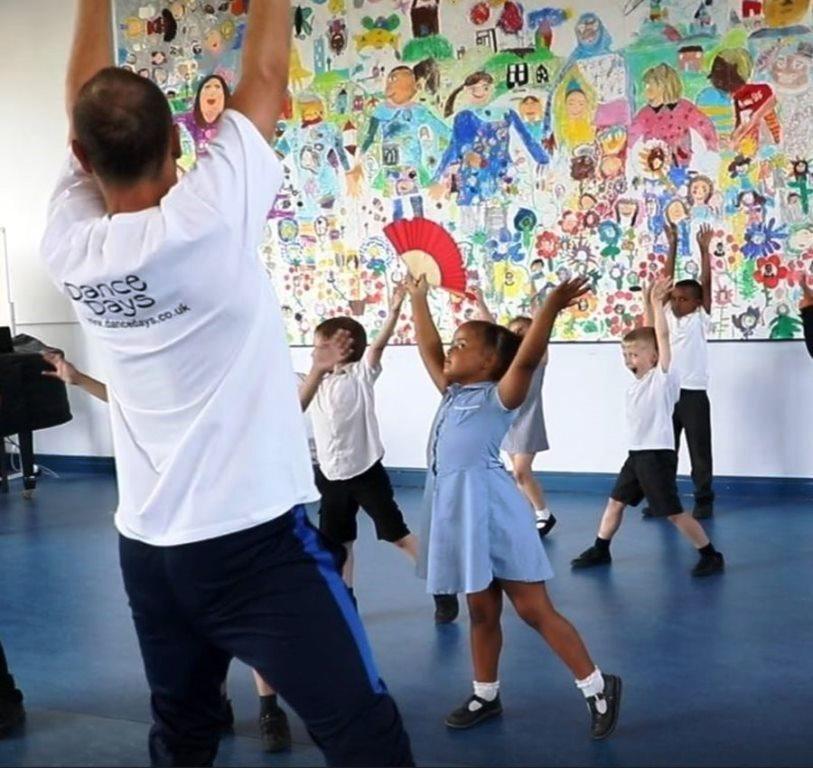
Multicultural Dance & Music RE & well-being Workshops for schools is a provider that brings dance, music and cultural learning directly into UK schools. Rather than running a fixed studio timetable, it is built around workshops delivered on site for pupils. This makes it a resource aimed at teachers and schools more than at individual dancers walking in off the street.
About Multicultural Dance & Music RE & well-being Workshops for schools uk
The offering here is workshop-based and mobile, which is quite different from a bricks-and-mortar dance school. The focus combines dance and music with religious education and well-being themes, so sessions are designed to fit into a school's wider curriculum. Because it travels to schools, there is no single class venue to visit.
Classes & Dance Styles
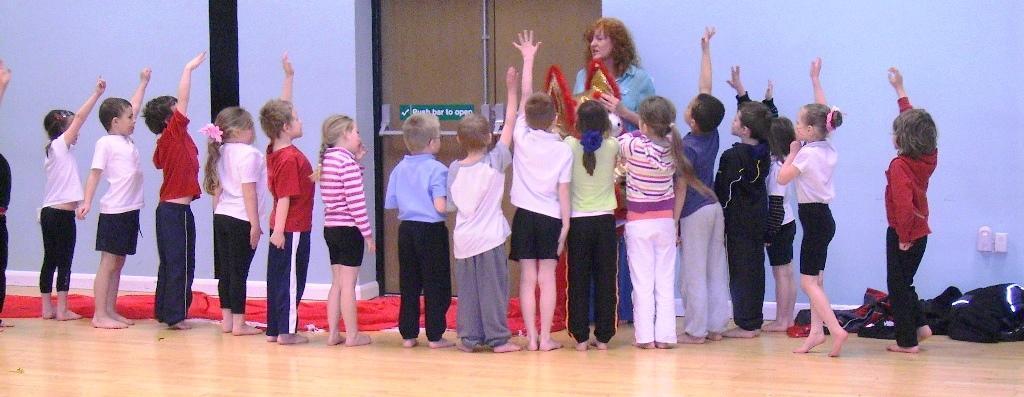
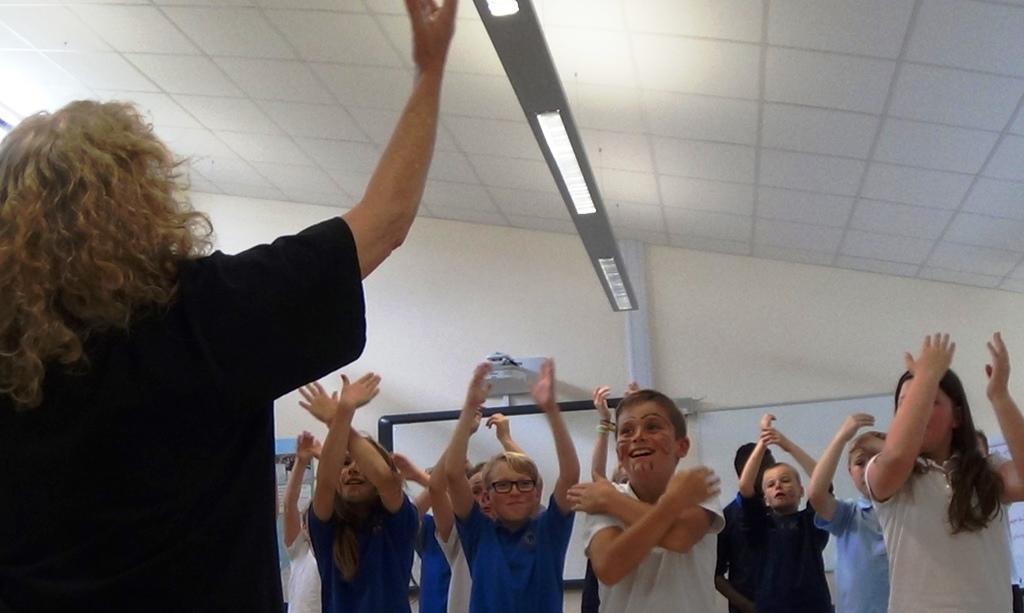
Sessions typically blend movement, rhythm and cultural context so pupils experience dance as part of a broader learning day. Workshops of this kind are usually tailored to different age groups and can be linked to topics a school is already teaching. Because the emphasis is on schools rather than public classes, the best way to understand what is available is to enquire about programmes directly. Teachers looking to enrich RE, music or well-being lessons are the natural audience.
What to Expect on Your First Visit
As this is a schools-based provider, arrangements are made between the workshop leader and the school rather than by individual sign-up. Staff booking a session should discuss group size, age range and curriculum links in advance. It helps to have a clear idea of the theme or subject you want the workshop to support.
Location & Contact
Visiting workshop providers play a useful role across UK schools by bringing specialist dance and music experience into the classroom. This kind of service reaches pupils who might not otherwise attend a dedicated studio.
- Phone: +44 7990 703558
- Website: http://www.multiculturaldance.co.uk/
- Opening hours:
- Monday: 8 am-5 pm
- Tuesday: 8 am-5 pm
- Wednesday: 8 am-5 pm
- Thursday: 8 am-5 pm
- Friday: 8 am-5 pm
- Saturday: 9 am-5 pm
Frequently Asked Questions
Can you learn to dance without a partner?
Yes, many dance styles are taught solo, from cultural and group dances to ballet and street. Workshop settings in particular often use whole-group movement where no partner is needed. It is a comfortable way to take part without pairing off.
What should I wear to a beginner dance class?
Comfortable clothing that allows free movement is the main thing, along with footwear suitable for the surface you will be dancing on. In a school workshop, pupils usually wear PE kit or similar. Avoid anything restrictive that limits stretching and turning.
How much does a dance class usually cost?
Costs vary widely, and school workshops are usually priced per session or per day rather than per pupil. The best approach is to ask the provider for a quote based on your group. Rates depend on length, group size and the type of workshop.
Which dance is best for beginners?
For a mixed group of beginners, styles with simple, repeatable movements work well, such as group and cultural dances. The best choice is one that keeps everyone engaged regardless of experience. In a workshop, the leader chooses material to suit the age and ability present.
What is the best dance to start as an adult?
Adults tend to enjoy starting with styles that are sociable and have clear steps, such as ballroom, Latin or line dancing. The right choice depends on whether you want fitness, culture or fun. Trying a taster or workshop is a good way to find out.
Is dancing good for heart failure?
Light, well-supervised movement can suit some people with heart conditions, but it must be judged case by case. Anyone with heart failure should get advice from their doctor before taking part. A medical professional can set safe limits for activity.
Video
Rate us and Write a Review
 Open Now~08:00 AM - 05:00 AM
- Monday08:00 AM - 05:00 AM
- Tuesday08:00 AM - 05:00 AM
- Wednesday08:00 AM - 05:00 AM
- Thursday08:00 AM - 05:00 AM
- Friday08:00 AM - 05:00 AM
- Saturday09:00 AM - 05:00 AM
- Sunday12:00 AM - 12:00 AM


 Own or work here?

 Your request has been submitted successfully.
