


Clark School Of Dance — Dance Classes In Doncaster
Clark School of Dance has built a loyal local following in Doncaster, with parents of young dancers among its warmest supporters. One review from a parent of twins captures the mood, noting simply how much the children love it there. The steady stream of positive feedback points to a school where families feel at home. It is a natural choice for those seeking regular tuition in the area.
About Clark School Of Dance
This is an established teaching school with its own space on White Rose Way, rather than a venue hired by outside groups. Reviewers describe an encouraging environment suited to children. Its settled base gives lessons continuity from week to week.
Classes & Dance Styles
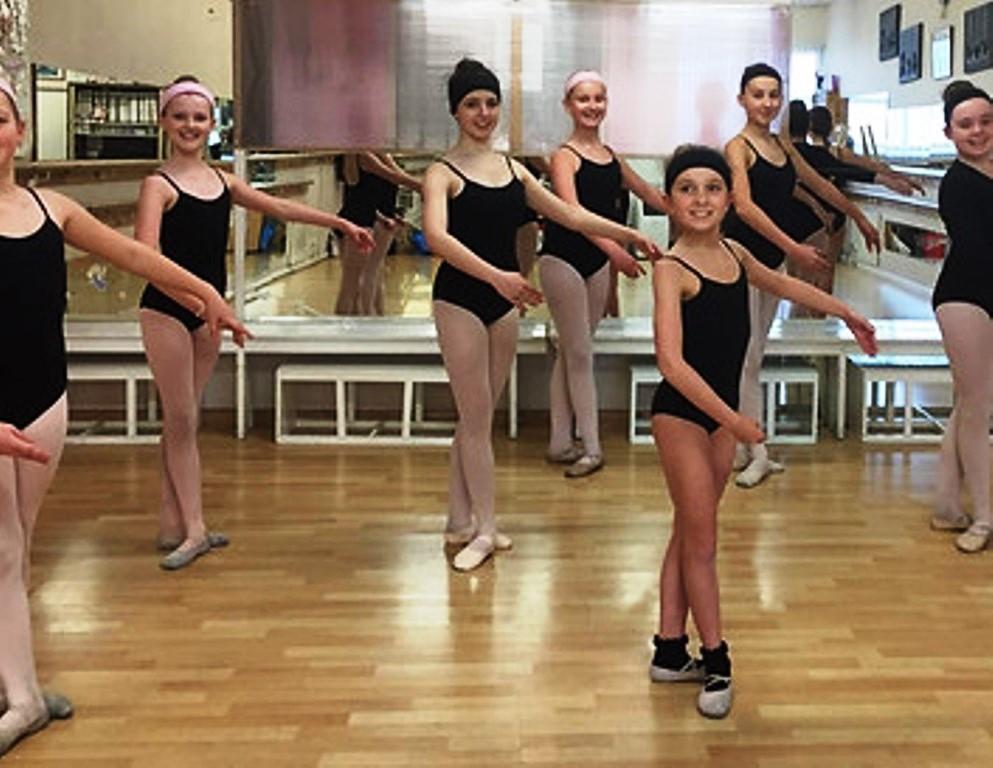
The school covers a broad set of disciplines, so those weighing up dance classes in Doncaster can explore several styles in one place. Ballet classes in Doncaster suit dancers drawn to classical form, while more social styles offer a different route in. Adults considering adult dance classes in Doncaster, ballroom dancing in Doncaster or salsa classes in Doncaster should ask which sessions are open to them. Line dancing in Doncaster is another sociable option to enquire about when checking the current timetable.
What to Expect on Your First Visit
Wear something you can move in easily and bring shoes appropriate to the class you plan to try. No previous experience or partner is needed to start. Arriving a few minutes early helps new dancers ease into the session.
Location & Contact
The school sits close to Doncaster's main routes, making it convenient for families across the town and nearby communities.
- Address: Carr Grange, 22 – 23 White Rose Way, Doncaster DN4 5HY
- Phone: +44 7903 608142
- Website: http://www.clarkschoolofdance.co.uk/
- Opening hours:
- Monday: 4-9 pm
- Tuesday: 3-6 pm
- Wednesday: 3-6 pm
- Thursday: 12-8 pm
- Friday: 9 am-5 pm
- Saturday: 8 am-4 pm
What Dancers Say About Clark School Of Dance
My twins love it here.— Andy Nutton
Frequently Asked Questions
How do you start ballroom dancing?
A beginner group class is the simplest entry point, teaching the hold, posture and a few reliable steps. There is no need for a partner or any experience.
What ballroom dance to learn first?
The waltz is a popular first dance because of its slow, regular count. The social foxtrot and cha-cha work well too and build solid basics.
How hard is it to learn salsa?
The basic step is easy to pick up, often within the first session. Timing and partner work develop naturally with regular attendance.
Can a non-dancer learn salsa?
Yes, beginner salsa is designed for people with no experience. Repeating the pattern and counting the beat is enough to start moving.
Is it possible to learn ballet as an adult?
It is entirely possible. Adult classes assume no childhood training and progress gradually, improving posture, strength and coordination.
What age is too late to start ballet?
No age is too late for recreational ballet. Adults across the age range take it up, adapting the demands to their own fitness.
Video
Rate us and Write a Review
 Closed Now!08:00 AM - 04:00 AM
- Monday04:00 AM - 09:00 AM
- Tuesday03:00 AM - 06:00 AM
- Wednesday03:00 AM - 06:00 AM
- Thursday12:00 PM - 08:00 AM
- Friday09:00 AM - 05:00 AM
- Saturday08:00 AM - 04:00 AM
- Sunday12:00 AM - 12:00 AM


 Own or work here?

 Your request has been submitted successfully.
