




Clann Na Ngael Irish Dance Academy — Line Dancing Wallsend
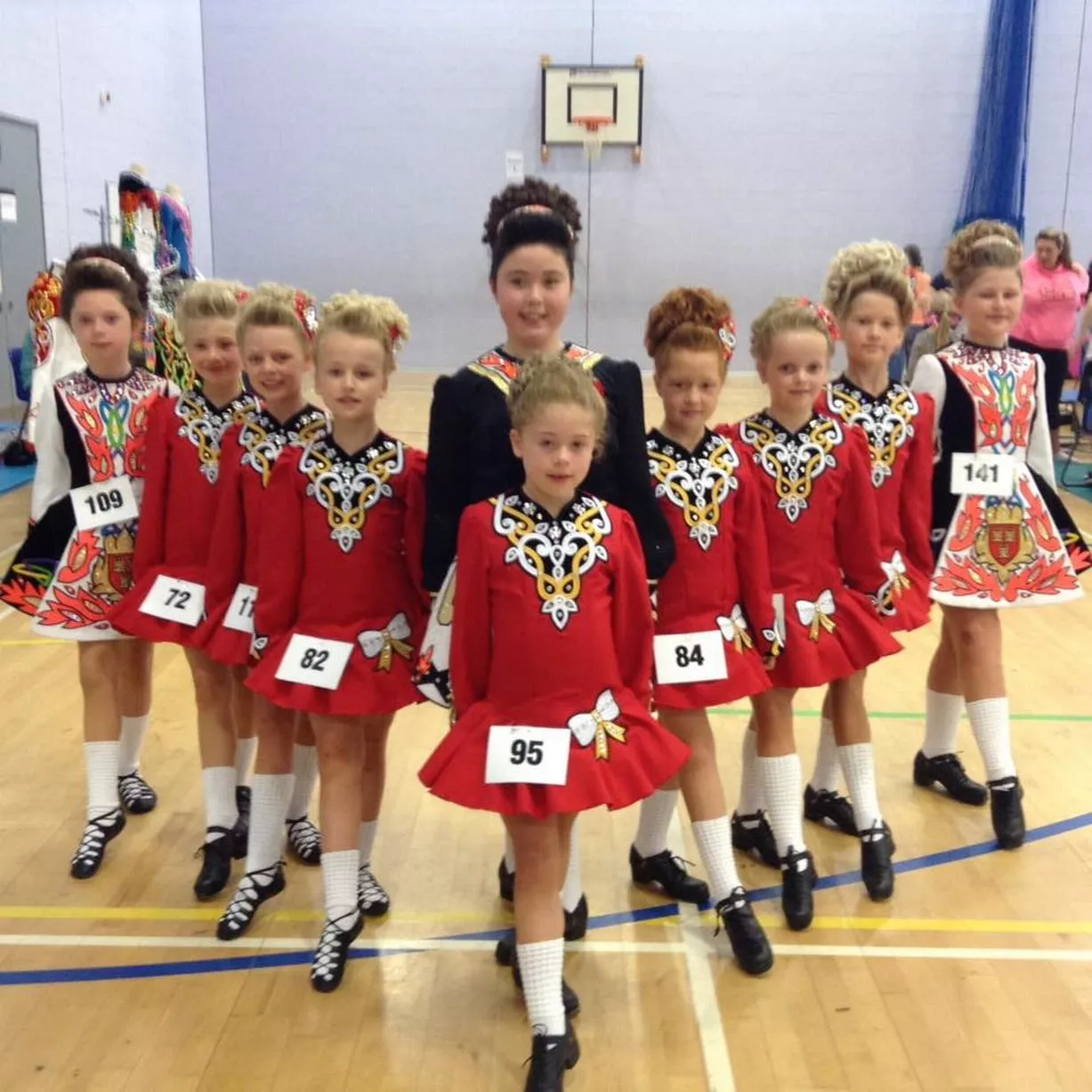
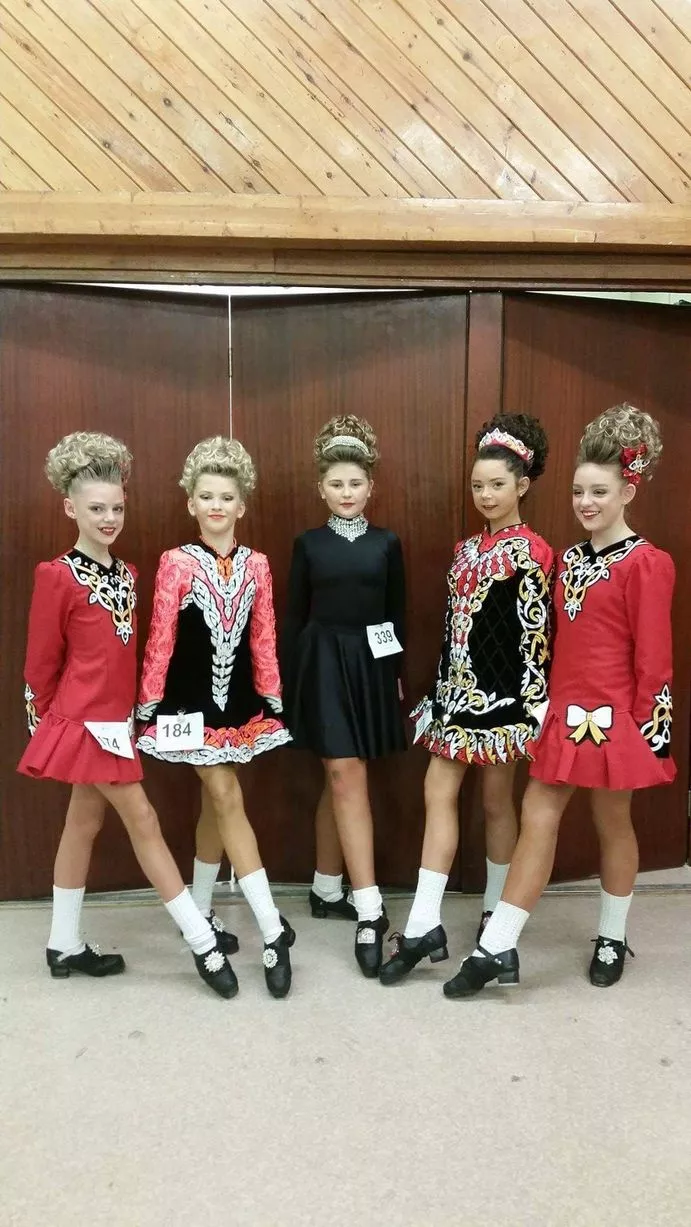
Clann Na Ngael Irish Dance Academy brings the rhythm and spirit of traditional Irish dance to Wallsend. The academy caters to dancers who want to learn the crisp footwork and lively steps that define this centuries-old style. Newcomers and returning dancers alike find a place to build technique and confidence. It is a spot where enthusiasm for the art form comes through in every session.
About Clann Na Ngael Irish Dance Academy
Based in Wallsend, the academy focuses on Irish dance while drawing in local people who simply want to get moving. The teaching leans on structure and repetition, helping dancers develop timing and posture step by step. The single glowing review sums up the reputation neatly with the phrase simply the best.
Classes & Dance Styles
Sessions concentrate on traditional Irish dance, from soft-shoe reels to the sharper rhythms of hard-shoe numbers. For those searching for line dancing in Wallsend, the academy's group work carries a similar appeal, teaching set patterns and coordinated movement without the need for a partner. Classes are grouped so that beginners can find their feet before tackling faster combinations. Progression is steady, with each new step layered onto the last.
What to Expect on Your First Visit
Comfortable clothing that lets you move freely is the sensible choice for a first session, along with shoes suited to the studio floor. Arriving a little early gives you time to settle and watch the group before joining in. There is no expectation that you already know the steps.
Location & Contact
Wallsend sits on the eastern edge of Newcastle, well connected by the Metro and local road network. The academy is easy to reach for dancers travelling in from surrounding neighbourhoods.
- Address: 10 Lytham Cl, Wallsend NE28 9TJ
- Phone: +44 7771 711273
- Opening hours:
- Tuesday: 4-8:30 pm
- Wednesday: 5-9 pm
- Thursday: 3:30-9 pm
- Friday: 4:30-9 pm
- Sunday: 11 am-2 pm
What Dancers Say About Clann Na Ngael Irish Dance Academy
Simple the best— Mike Batty
Frequently Asked Questions
What are 5 basic steps in line dancing?
Common building blocks include the grapevine, the step-touch, the kick-ball-change, the coaster step and the pivot turn. These recur across many routines, so learning them early makes new dances easier to pick up. Most classes introduce them gradually rather than all at once.
What is the easiest line dance to learn for beginners?
Simple routines built around walking steps and a basic grapevine tend to be the most approachable. They repeat a short sequence, which lets you settle into the rhythm quickly. From there you can move on to dances with more turns and direction changes.
Can you learn to dance without a partner?
Yes, plenty of dance styles are designed for solo learning, including Irish dance and line dancing. You practise your own footwork and timing within a group. It is a good route in for anyone who prefers not to rely on a partner.
What should I wear to a beginner dance class?
Loose, comfortable clothes that let you bend and stretch are ideal. Bring shoes that suit the studio floor and support your feet during faster steps. Avoid anything too restrictive so you can move naturally.
How much does a dance class usually cost?
Prices vary depending on the style, class length and whether you book single sessions or a block. It is best to contact the academy directly for current rates. Many schools offer a trial so you can try before committing.
Which dance is best for beginners?
Styles with clear, repeatable steps such as line dancing or introductory Irish dance suit newcomers well. They let you build coordination without needing a partner. The right choice often comes down to the music and movement you enjoy most.
Video
Rate us and Write a Review
 Open Now~12:00 AM - 12:00 AM
- Monday12:00 AM - 12:00 AM
- Tuesday04:00 AM - 08:30 AM
- Wednesday05:00 AM - 09:00 AM
- Thursday03:30 AM - 09:00 AM
- Friday04:30 AM - 09:00 AM
- Saturday12:00 AM - 12:00 AM
- Sunday11:00 AM - 02:00 AM


 Own or work here?

 Your request has been submitted successfully.
