


Belly Dance Class Weymouth with Shona — Dance Classes In Weymouth
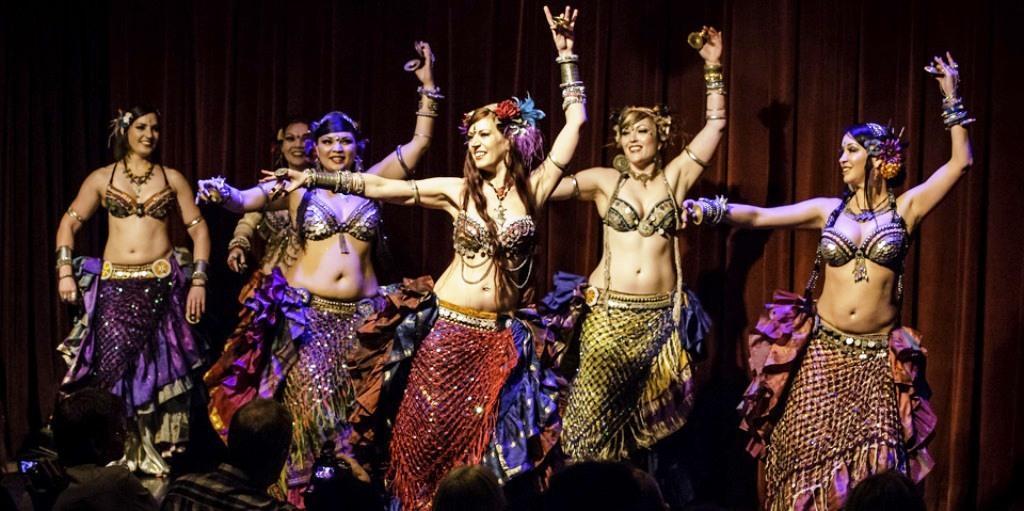
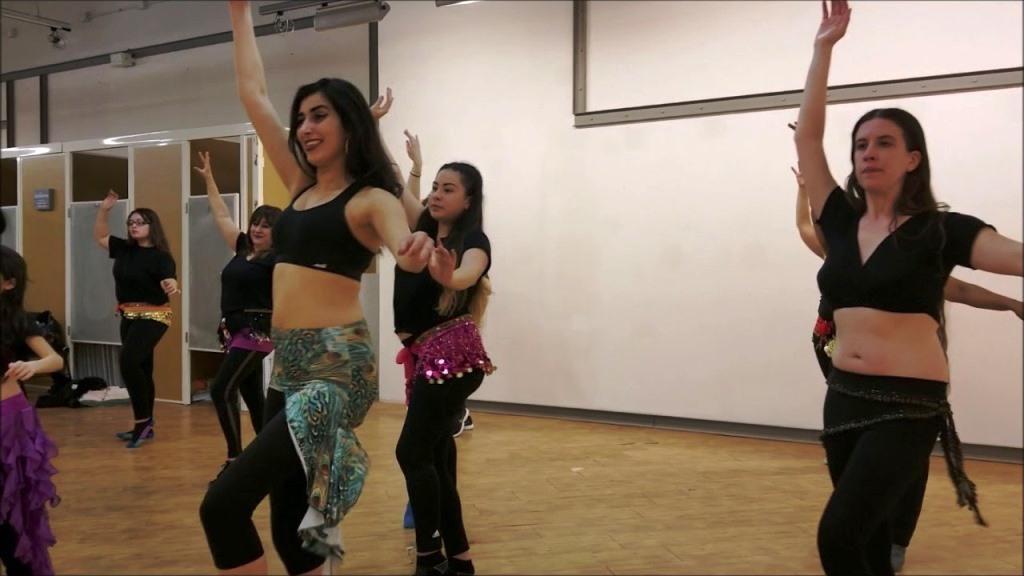
Belly Dance Class Weymouth with Shona offers belly dance instruction in Weymouth, held at a dedicated studio space within a local youth club building. It gives residents a chance to try a graceful, expressive style that is often hard to find on a standard timetable. The focus is on the flowing movements and isolations that make belly dance distinctive.
About Belly Dance Class Weymouth with Shona
The class has an inclusive, welcoming feel that suits those who want to move for enjoyment rather than competition. It appeals to adults of varying ages and shapes who are curious about a form that celebrates fluidity and confidence.
Classes & Dance Styles
For anyone searching for belly dancing in Weymouth or simply dance classes in Weymouth, Shona's sessions concentrate on posture, hip and torso isolations, and linking movements into flowing sequences. Classes generally build gradually so newcomers can grasp the basics before combining them. If you are also weighing up adult dance classes in Weymouth, it is worth asking how the levels are arranged and whether drop-ins are possible.
What to Expect on Your First Visit
Newcomers can expect a relaxed introduction with no need for any previous dance background. Comfortable clothing that lets you see and feel your hip movements works well, often with bare feet or soft shoes, and a scarf tied at the hips is a common touch.
Location & Contact
The class runs from a studio within a community youth venue in Weymouth, accessible for people around the town.
- Address: STEPS Club For Young People, Dance Studio, 110 Chickerell Rd, Weymouth DT4 0BT
- Phone: +44 7594 312621
- Website: https://www.facebook.com/Weymouthbellydance/
Frequently Asked Questions
How do you start ballroom dancing?
Ballroom is usually started through a dedicated beginners' class covering hold, posture and basic timing, which is a little different from belly dance. It is worth contacting a ballroom-specific school if that is the style you want to pursue.
What ballroom dance to learn first?
Beginners often start with the waltz because its slow three-count rhythm is easy to feel, before adding quicker dances. A ballroom teacher can advise on the best first steps for you.
How hard is it to learn salsa?
Salsa is fairly easy to pick up at beginner level once you settle into the basic step and count. Regular practice is what turns the moves into second nature.
Can a non-dancer learn salsa?
Yes, complete beginners take up salsa all the time, as introductory classes assume no experience. The basics are taught slowly and repeated until they feel comfortable.
What are 5 basic steps in line dancing?
Line dancing commonly uses the grapevine, heel digs, pivot turns, kick-ball-changes and step-touches. These are strung together into repeating patterns anyone can follow.
What is the easiest line dance to learn for beginners?
Simple dances with short, repeating sequences are the gentlest introduction. A line dancing class in the area can tell you which beginner routines they currently teach.
Video
Rate us and Write a Review
 Tuesday


 Own or work here?

 Your request has been submitted successfully.