


Liskeard School Of Dance
Liskeard School of Dance is a long-standing fixture on Church Street South, offering tuition to dancers across the town and beyond. The teaching favours a careful, step-by-step approach that suits beginners and improvers alike. People come here to build genuine skill rather than to chase a quick routine. It has the settled feel of a school that knows its community well.
About Liskeard School Of Dance
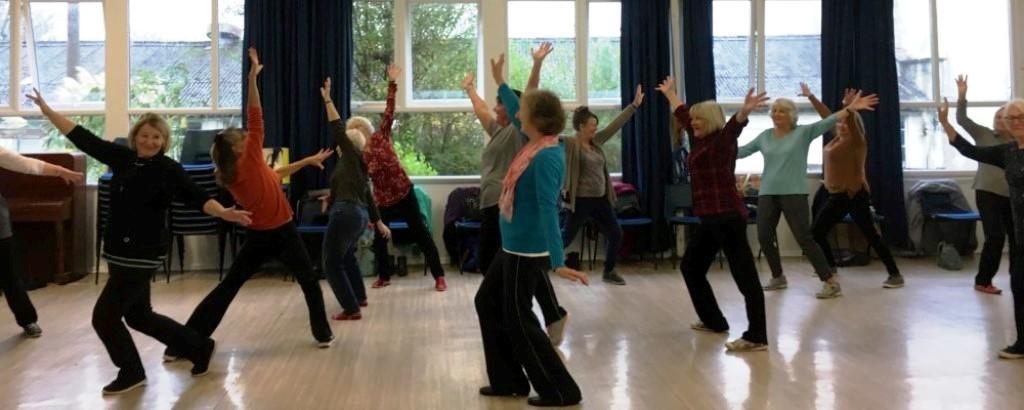
Classes cater to a spread of ages and stages, from those just starting out to dancers refining what they already do. The focus rests on technique, timing and steady confidence, with room to work through anything that feels awkward. That patient pace tends to reassure nervous newcomers.
Classes & Dance Styles
Beginners generally start with posture, balance and rhythm before whole sequences come into play. Group styles let you learn without a partner, while partnered dancing introduces the coordination of moving alongside someone else. Every class is broken into manageable pieces so nothing arrives all at once. Regular attendance is what makes the early groundwork pay off.
What to Expect on Your First Visit
Come along a few minutes ahead of the start so you can settle in. Wear clothes you can move in and shoes that turn smoothly on the floor. No experience is expected on your first evening.
Location & Contact
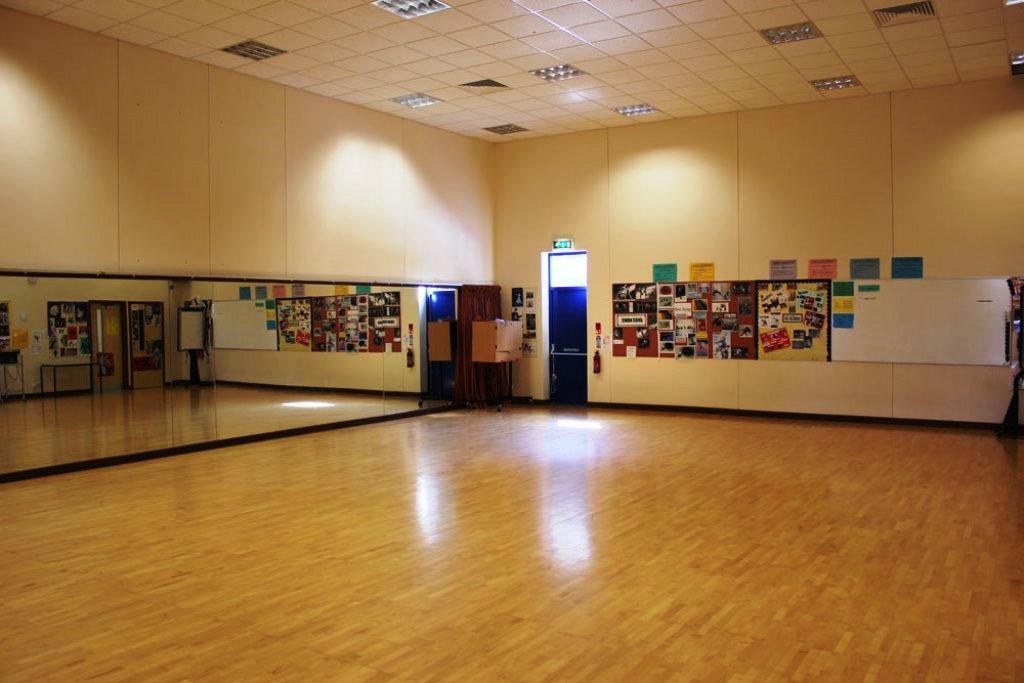
Liskeard's town-centre setting makes the school easy to reach for anyone travelling in from the surrounding villages.
- Address: Church St S, Liskeard PL14 3AZ
- Phone: +44 1579 344969
Frequently Asked Questions
Can you learn to dance without a partner?
Yes. Line dancing and many solo styles are danced alone, and in partner classes teachers often rotate people so you always have someone to work with.
What should I wear to a beginner dance class?
Comfortable clothing you can move freely in works best, together with smooth-soled shoes for turning. Leave heavy grip trainers behind and bring water for the breaks.
How much does a dance class usually cost?
Rates vary depending on the school, the length of the class and how you pay. It is worth checking directly, as booking a block of lessons is often cheaper than paying each week.
Which dance is best for beginners?
It depends on your preference. Solo styles like line dancing suit people who would rather not partner up, while the waltz is a gentle way into ballroom.
What is the best dance to start as an adult?
Adults often do well starting with a style that has a clear, even rhythm, such as the waltz. Choosing something you enjoy makes it easier to stick with.
Is dancing good for heart failure?
Gentle dancing may fit into an active routine for some, but anyone with heart failure should consult their doctor first. A medical professional can advise on safe activity levels.
Video
Rate us and Write a Review
 Friday

 Own or work here?

 Your request has been submitted successfully.