



Lynn Paula School of Dance — Dance Classes In Falmouth
Tucked into the heart of Falmouth, Lynn Paula School of Dance gives newcomers and returning dancers a settled place to find their footing. The teaching leans towards steady progress rather than rushing, so beginners rarely feel out of their depth. It is a familiar name for anyone searching for dance classes in Falmouth who wants a proper school rather than a drop-in fitness session. The focus stays firmly on learning to move well and enjoying the process.
About Lynn Paula School of Dance
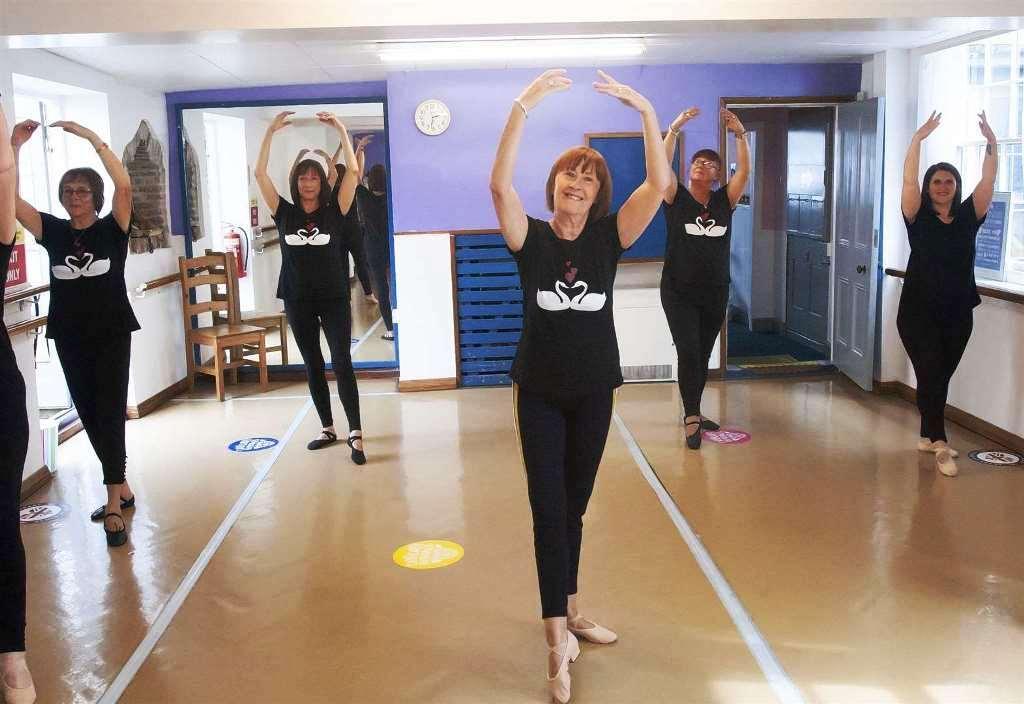
The school works with a spread of ages and abilities, from those trying their first steps to dancers polishing routines they already know. Lessons are structured so that technique builds session by session, with time given to the small details that make movement feel natural. That patient approach tends to suit people who worried they had left dancing too late.
Classes & Dance Styles
If ballroom dancing in Falmouth is what draws you in, expect to spend early lessons on posture, hold and the underlying rhythm before pattern work follows. Line dancing in Falmouth appeals to those who prefer to learn in a group without needing a partner, and the choreographed sequences are broken down slowly. Adult dance classes in Falmouth here cover a range of styles, so you can settle on what suits you rather than commit to one discipline straight away. Regular practice is where the steps begin to stick.
What to Expect on Your First Visit
Arrive a little before the class begins so you can watch the room settle and get your bearings. Comfortable clothing and shoes that let you turn without gripping the floor are all that is really needed at the start. Nobody expects you to know anything on your first evening.
Location & Contact
Falmouth's compact town centre makes it straightforward to combine a lesson with a coffee or a walk by the harbour afterwards.
- Address: Porhan House, 4 New St, Falmouth TR11 3HX
- Phone: +44 7854 011654
Frequently Asked Questions
How do you start ballroom dancing?
You start by joining a beginners class and learning the basic hold, posture and timing before any figures are introduced. Most people begin with one or two simpler dances and add more once the fundamentals feel steady.
What ballroom dance to learn first?
The waltz is a common starting point because its slow, even count gives you time to think about balance and movement. The social foxtrot is another gentle option that helps new dancers get used to moving with a partner.
What are 5 basic steps in line dancing?
Line dancing draws on a handful of recurring moves such as the grapevine, the kick-ball-change, the coaster step, the shuffle and the pivot turn. Once these are familiar, most dances are simply different arrangements of them.
What is the easiest line dance to learn for beginners?
Short, repetitive dances with a single wall are usually the gentlest introduction. Classics with a steady count and plenty of repetition let you find the rhythm before the sequence changes.
Can you learn to dance without a partner?
Yes. Line dancing and many solo styles are designed to be danced alone, and in partner classes teachers often rotate people so you are never left standing out.
What should I wear to a beginner dance class?
Wear something you can move freely in and shoes with a smooth sole that let you turn without catching. Avoid heavy grip trainers, and bring water for the breaks.
Video
Rate us and Write a Review
 Tuesday

 Own or work here?

 Your request has been submitted successfully.