


Cirencester Creative Dance Academy — Dance Classes In Cirencester
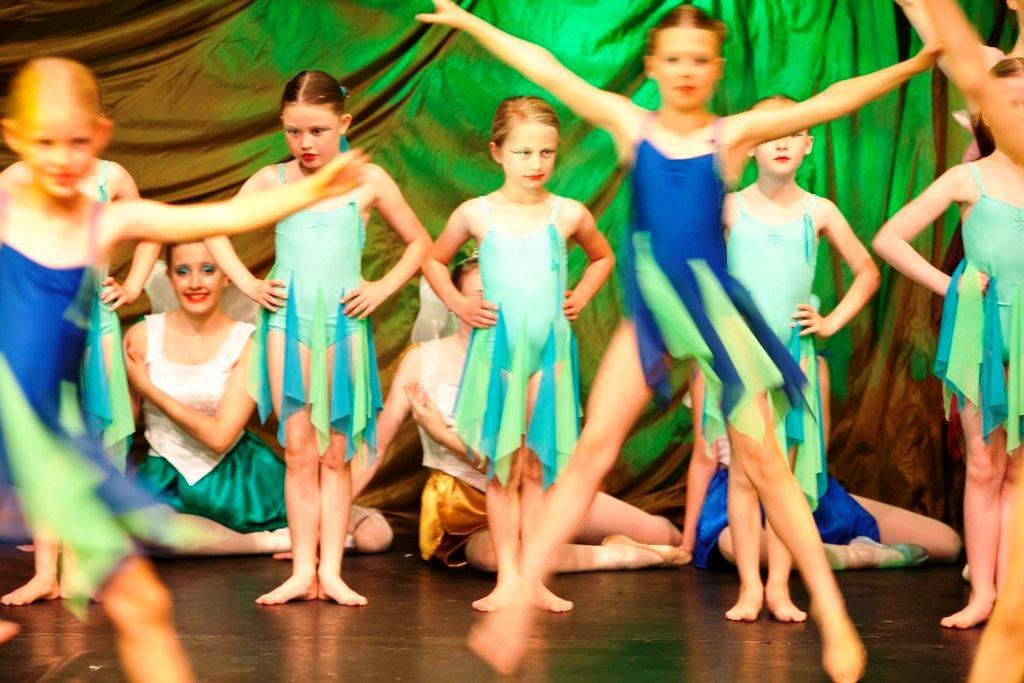
Cirencester Creative Dance Academy has become a familiar name for families across this corner of the Cotswolds. Some pupils here have kept dancing for a decade, moving up through the age groups and trying genre after genre as they grow. The reviews point again and again to teachers who care about the child as much as the choreography. If you are weighing up dance classes in Cirencester, this is a school built on the long game.
About Cirencester Creative Dance Academy
The academy takes in dancers from around the age of two and a half, which means many arrive as toddlers and stay well into their teens. That span shapes everything, from how the timetable is laid out to the friendships that form along the way. Parents describe a team that is genuinely passionate rather than simply going through the motions.
Classes & Dance Styles
The programme spreads across several genres, so a young dancer can sample styles before settling on a favourite. Alongside the children's syllabus, the school connects with the wider appetite for dance lessons in Cirencester, whether that means ballroom dancing in Cirencester for those who fancy a partnered style or the sociable rhythm of line dancing in Cirencester. Each strand builds foundations first, then layers on technique as confidence grows.
What to Expect on Your First Visit
A first session is usually about watching, listening and finding your feet rather than performing. Turn up a few minutes early so your child can settle and meet the teacher. Wear something you can move freely in and bring water.
Location & Contact
Cirencester sits at the heart of the Cotswolds, a market town with a strong tradition of community activity and clubs. A local dance school tends to slot neatly into that social fabric.
- Address: 23 London Rd, Cirencester GL7 1AQ
- Phone: +44 7730 497023
- Website: https://www.ccda.co.uk/
- Opening hours:
- Monday: 8 am-9 pm
- Tuesday: 8 am-9 pm
- Wednesday: 8 am-9 pm
- Thursday: 8 am-9 pm
- Friday: 8 am-8 pm
- Saturday: 8 am-5 pm
- Sunday: 9 am-4 pm
What Dancers Say About Cirencester Creative Dance Academy
Our eldest has danced with CCDA for 10 years and just loves everything about it! She loves the different classes, the passionate teachers and of course the wonderful group of friends she has made along the way. Our youngest has joined more recently and we are beyond proud with how her confidence has grown. Six months ago she wouldn’t have done a ‘show and tell’ in her class at school. So to watch her dance her heart out in the show and do fantastically in her first exam, is just amazing. We can’t really imagine life without CCDA as it’s bought, and continues to bring, superb opportunities for — Sarah Hayward
Where to start…! The fun, the laughs, the hardwork, the opportunities, the achievement, the learning – both dance and about yourself and working with others. There is nothing not to love about dance and nothing not to love about how Katherine and the CCDA team facilitate the school and orchestrate the yearly summer show. As an adult dancer having moved from Norfolk, I've been welcomed with open arms into the senior class (as I had a good level of dance coming into the school) and been supported to improve all the way.
If you are considering joining, for yourself (sa a beginner or more advan— Joanne Moore
My daughter has danced with CCDA since she was two and a half – she’s now fifteen! She absolutely adores dancing, her teachers and her dance friends. The range of genres on offer is fantastic and has really helped her to explore and find what she loves, whilst having strong foundations in the classical genres. Being part of CCDA has taught her so many life skills and brought amazing opportunities. The shows are always incredible and a real celebration of the whole CCDA family. We’ve both made friends for life!— Sarah Stevens
My girls started Musical Theatre with CCDA earlier this Yr age 7 & 11. since then they have trained and performed in a Professional show at a real theartre with lights and everything. The show was infact better than a musical we had watched recently in Birmingham.
With fantastic costumes and Awesome choreography!! We were absolutely wowed away!
CCDA is exactly where they want to be and definitely where I want them to be. The opportunities seem endless, with everyone always included.— Cassie Clark
Frequently Asked Questions
How do you start ballroom dancing?
Most people begin with a beginners' class where the basic walks, timing and posture are taught step by step. You do not need any experience, and a good teacher will introduce one dance at a time so nothing feels rushed.
What ballroom dance to learn first?
The waltz is a common starting point because its slow, even rhythm makes the timing easy to feel. Many schools also begin with a social foxtrot or a rumba for the same reason.
What are 5 basic steps in line dancing?
Common building blocks include the grapevine, the kick ball change, the coaster step, the shuffle and a simple pivot turn. Once these feel natural, most line dances are just different combinations of them.
What is the easiest line dance to learn for beginners?
Straightforward routines with short, repeating sequences tend to be the gentlest introduction. Your teacher will usually start you on one of these so you can join in quickly.
Can you learn to dance without a partner?
Yes. Plenty of styles are danced solo, and in partnered classes people commonly rotate partners so you never need to bring one. You can turn up on your own and take part fully.
What should I wear to a beginner dance class?
Comfortable clothing you can stretch and move in is all you need, along with clean, flexible shoes. Avoid stiff trainers with heavy grip, as they can catch on the floor during turns.
Video
Rate us and Write a Review
 Open Now~09:00 AM - 09:00 AM
- Monday09:00 AM - 09:00 AM
- Tuesday09:00 AM - 09:00 AM
- Wednesday09:00 AM - 09:00 AM
- Thursday09:00 AM - 09:00 AM
- Friday09:00 AM - 09:00 AM
- Saturday09:00 AM - 04:00 AM
- Sunday09:00 AM - 04:00 AM


 Own or work here?

 Your request has been submitted successfully.
