





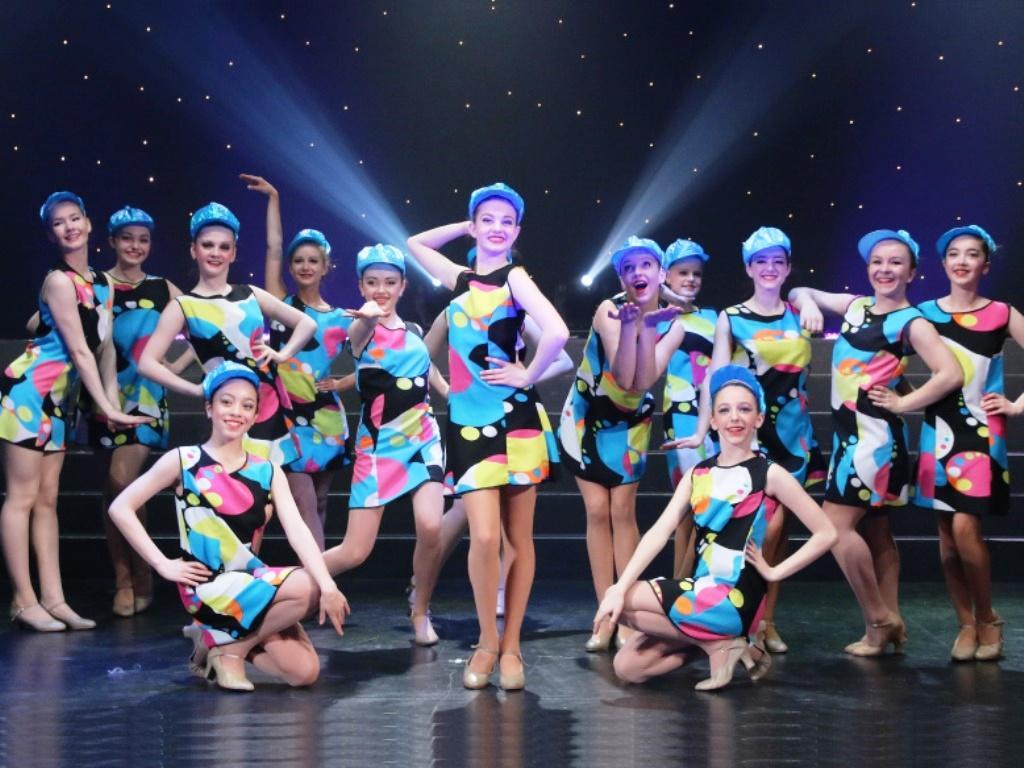

The Anne-Elizabeth School of Dance — Dance Classes In Leicester
The Anne-Elizabeth School of Dance teaches from a studio in Aylestone, Leicester, housed in a characterful former school building dating back to the 1840s. Alongside its heritage setting, the school offers dance tuition across a range of styles to the local community. It is an appealing option for those seeking dance classes in Leicester with a bit of history to the surroundings. The building itself comprises a large room and a medium-sized space, giving room to move.
About The Anne-Elizabeth School of Dance
Located in the Aylestone area of Leicester, the school combines a distinctive old building with dance teaching for the wider community. Classes are arranged so that beginners can settle in and progress alongside more practised dancers.
Classes & Dance Styles
Ballroom dancing in Leicester here takes in the traditional partner dances, taught in clear stages so nothing feels rushed. Livelier salsa classes in Leicester and line dancing in Leicester add rhythm and, in the case of line dancing, a partner-free option that is easy to join alone. Adult dance classes in Leicester suit hobby dancers and those brushing up alike, and dance lessons in Leicester can lean towards technique or social confidence as you prefer. Beginners are guided through the fundamentals first.
What to Expect on Your First Visit
Wear comfortable clothing you can move in and shoes appropriate to the style, with a smooth sole for ballroom and Latin. No partner or prior experience is required to make a start.
Location & Contact
Aylestone lies just south of Leicester city centre, keeping the studio within convenient reach of the city and its southern suburbs.
- Address: Andrew House Dance Studio, Church Rd, Aylestone, Leicester LE2 8LB
- Phone: +44 116 233 6083
What Dancers Say About The Anne-Elizabeth School of Dance
This dance school is in the former National School, Aylestone building (built 1844) – which, unfortunately, no longer has its bell in the bell housing still extant on the roof of the building.
It comprises one large room, a medium sized room with a kitchen off it and an entrance lobby. It seems popular judging by the number of Parents who drop off their children for lessons when it is open.
I have been here a couple of times when the Leicester branch of The Samaritans hold their annual fund-raising beer festival each July (it's well-worth attending for a great selection of beers, ciders, wines— T Logue
Frequently Asked Questions
How do you start ballroom dancing?
Most people begin with a beginner class that introduces the hold, posture and basic footwork before building up complete dances. Progress usually comes one or two dances at a time.
What ballroom dance to learn first?
The waltz is a popular starting point for its steady rhythm and simple box step. It builds a foundation that makes faster dances such as the quickstep easier later.
How hard is it to learn salsa?
The basic step is quick to learn, while timing and turns take more practice to master. Dancing socially helps everything come together.
Can a non-dancer learn salsa?
Yes, no experience is needed. Beginner classes build the fundamentals step by step so anyone can take part.
What are 5 basic steps in line dancing?
The grapevine, step-touch, kick-ball-change, pivot turn and shuffle are among the most common. Routines mix these familiar moves in different orders.
What is the easiest line dance to learn for beginners?
A short beginner four-wall dance with a repeating pattern is the easiest to start with. The repeating sequence means the whole group soon moves together.
Video
Rate us and Write a Review
 Tuesday

 Own or work here?

 Your request has been submitted successfully.