


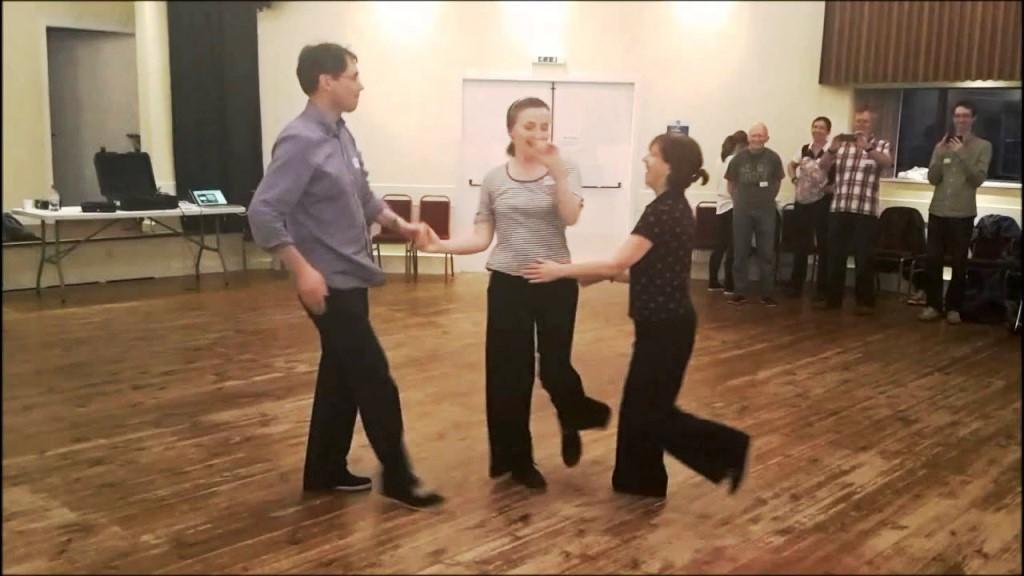
Edinburgh Swing Dance Society (ESDS) — Dance Classes In Edinburgh
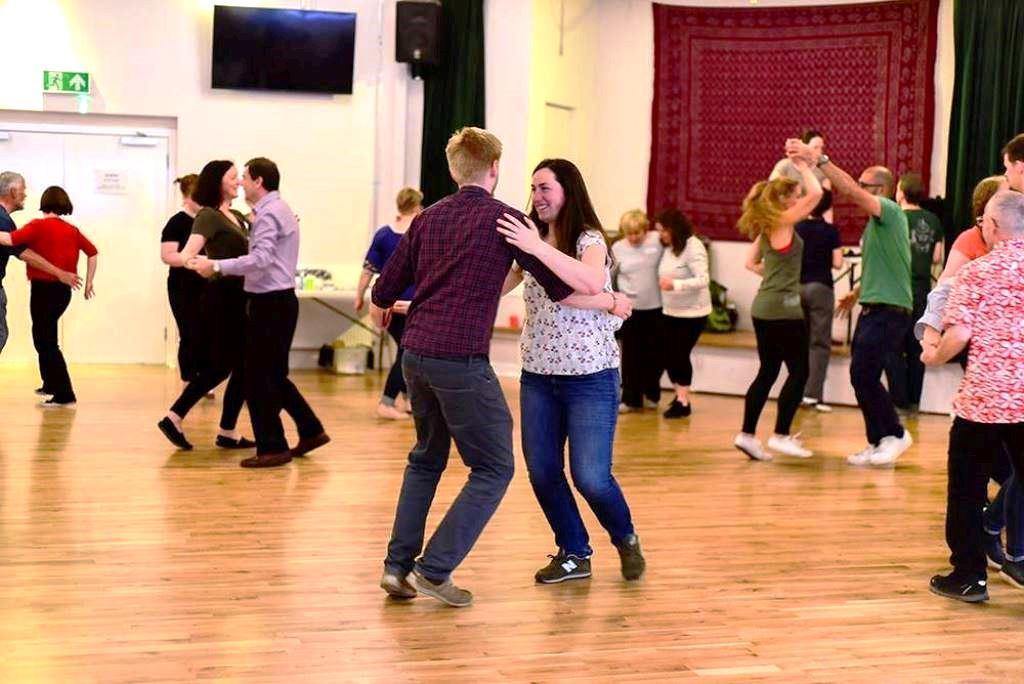
The Edinburgh Swing Dance Society, known as ESDS, is based on Cheyne Street in Edinburgh and brings together the city's swing dancing community. It runs classes and events, including a popular annual winter swing weekend that dancers travel back for year after year. Reviews praise the teachers and the venues, describing a well-organised scene with a friendly feel. For anyone in Edinburgh curious about swing, it is a natural way in.
About Edinburgh Swing Dance Society (ESDS)
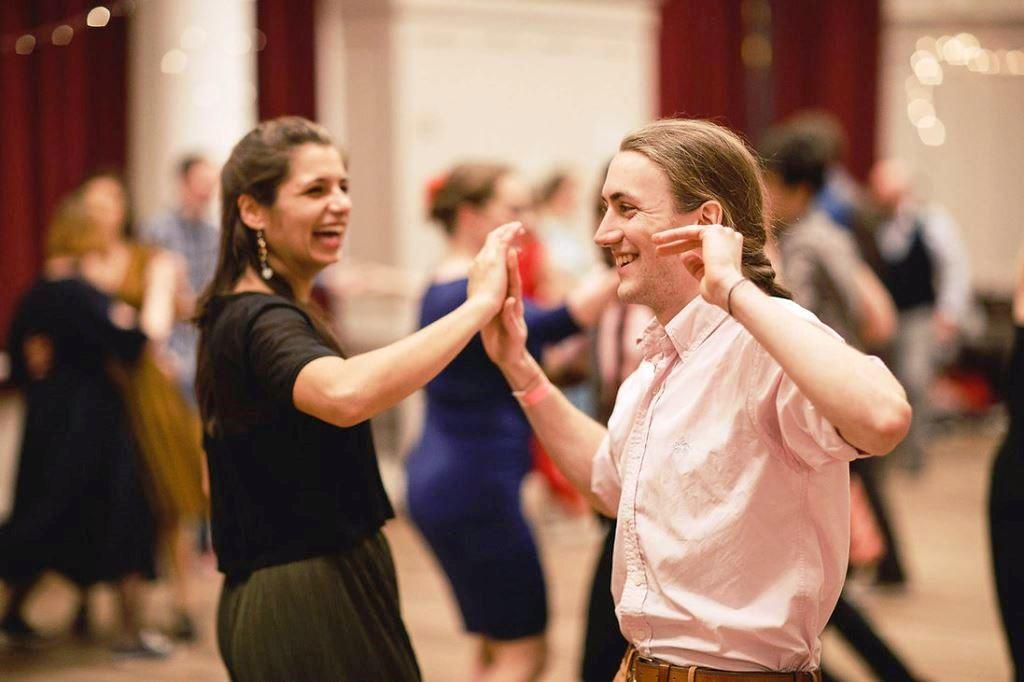
As a society rather than a single commercial studio, ESDS is community-focused, organising regular classes, socials and larger weekend events. The swing styles it teaches, such as Lindy Hop, are lively partner dances rooted in classic jazz music.
Classes & Dance Styles
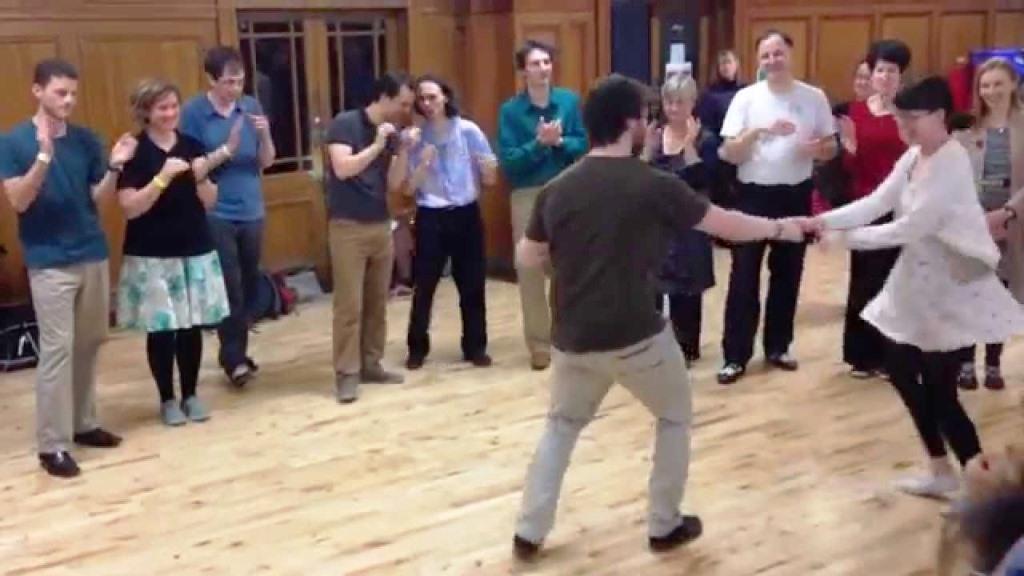
The society's classes concentrate on swing dancing, so if you are searching for dance classes in Edinburgh with an energetic, social character, this is a specialist option. Because the focus is swing, people looking for ballet classes in Edinburgh, salsa classes in Edinburgh, line dancing in Edinburgh or formal ballroom dancing in Edinburgh should note these fall outside its remit. Adult dance classes in Edinburgh here suit newcomers happy to learn in a sociable, rotating setting. Checking the society's schedule will show which levels and socials are on.
What to Expect on Your First Visit
Wear comfortable clothes you can move energetically in and flat, smooth-soled shoes for turning. You do not need to bring a partner, as swing classes typically rotate, and joining on your own is common.
Location & Contact
Cheyne Street lies in Stockbridge, close to central Edinburgh and its transport links. The society also makes use of various venues around the city for its classes and events.
- Address: 2 Cheyne St, Edinburgh EH4 1JB
- Website: https://www.esds.org.uk/
What Dancers Say About Edinburgh Swing Dance Society (ESDS)
A great venue.
This venue is used for all sorts of events and can be hired. Plenty of rooms and great facilities.— John Sellars
Attend the Edinburgh Winter Swing Weekend each year. It's great. Fab teachers and good venues for dancing.— James David Smith
Frequently Asked Questions
How do you start ballroom dancing?
A beginners' class or short course is the usual entry point, introducing one or two dances at a time. You need neither a partner nor equipment to begin, only comfortable shoes you can turn in.
What ballroom dance to learn first?
The waltz is a common first dance thanks to its clear pattern and easy rhythm. Beginning with it helps you get used to moving smoothly around the floor.
How hard is it to learn salsa?
The basic step is quick to learn, so most people are dancing within a first session. Timing and turns take longer, but practice brings them steadily.
Can a non-dancer learn salsa?
Yes, beginner classes are built for people with no experience, which is the norm. Turning up regularly matters more than any natural ability.
Is it possible to learn ballet as an adult?
Yes, adults regularly begin ballet later in life and enjoy the strength and posture it develops. Adult beginner classes are paced for a fresh start.
What age is too late to start ballet?
There is no upper age limit for recreational ballet, and people take it up well into later life. Only professional training depends on starting young.
Video
Rate us and Write a Review
 Thursday

 Own or work here?

 Your request has been submitted successfully.