


Wimbledon School of Freestyle, Ballroom and Fitness — Dance Classes In London
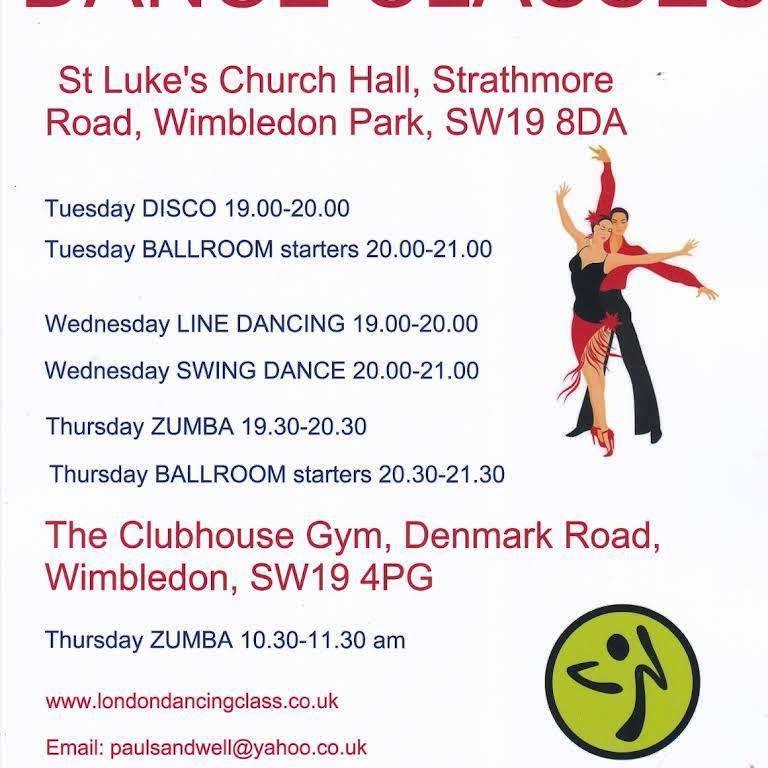
The Wimbledon School of Freestyle, Ballroom and Fitness runs friendly, unpretentious dancing in this corner of south-west London. Paul leads the sessions, covering ballroom and line dancing for people who are starting from scratch as much as those brushing up. It suits adults who want to learn socially rather than train for a stage, and the emphasis is firmly on enjoying yourself while you pick things up.
About Wimbledon School of Freestyle, Ballroom and Fitness
Learners repeatedly mention how quickly they settle in, crediting a patient approach that breaks moves down and gives you room to practise before adding more. It is the sort of place where a complete beginner can feel at ease from the first session and still find themselves wanting to come back more often.
Classes & Dance Styles
If you are searching for adult dance classes in London that do not assume prior experience, the beginner ballroom work here starts with posture and the basic figures before you string a routine together. There are also line dancing sessions in London where the steps are taught slowly and repeated, and the school is a sensible first port of call whether you are after dance lessons in London for their own sake or a gentle way to keep active. Ask about how salsa classes and ballet classes fit the timetable, as offerings vary through the year.
What to Expect on Your First Visit
Come in comfortable clothes and shoes you can pivot in, and expect to spend the first part of a class simply getting used to how a step feels. Nobody will expect you to know anything in advance, and Paul tends to check in that everyone is keeping up before building the sequence further.
Location & Contact
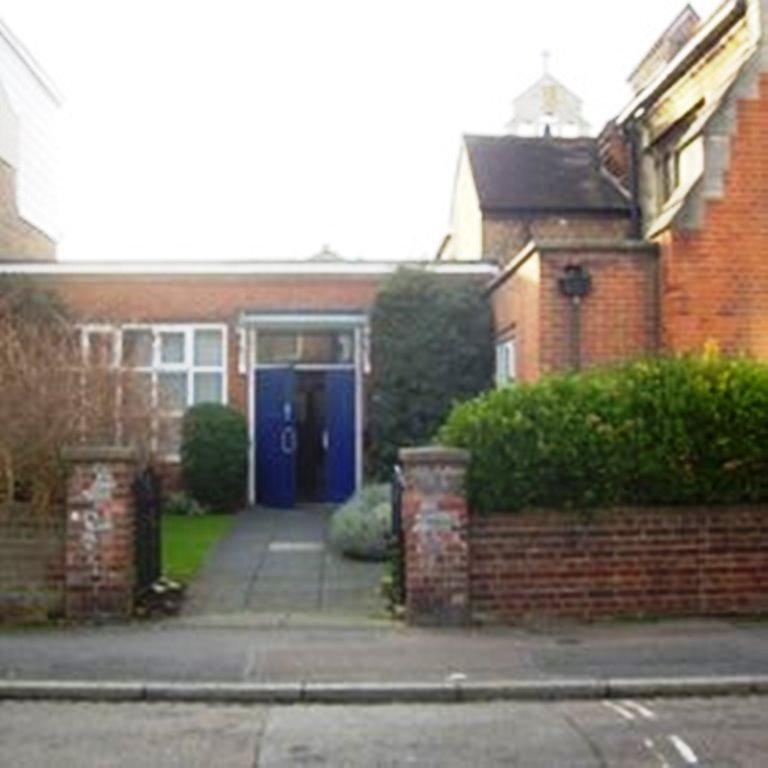
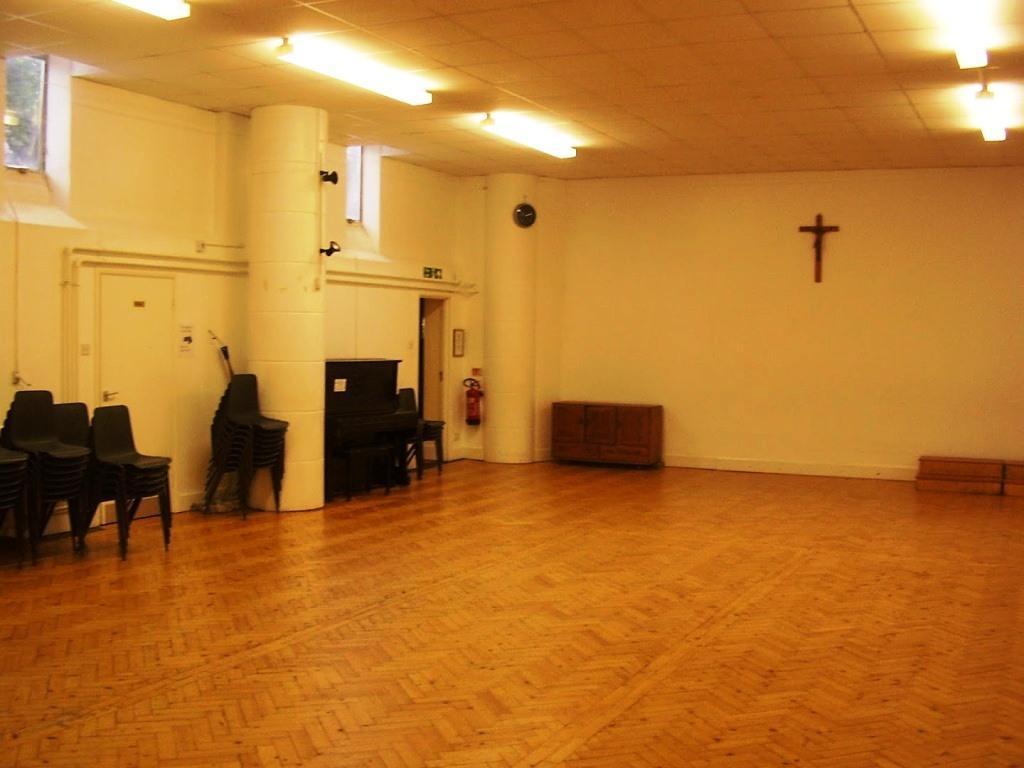
The studio sits within easy reach of central Wimbledon, so it is straightforward to combine a class with the wider amenities of the area.
- Address: 4 York Rd, London SW19 8TP
- Phone: +44 7305 758614
- Website: http://www.londondancingclass.co.uk/
- Opening hours:
- Monday: Open 24 hours
- Tuesday: Open 24 hours
- Wednesday: Open 24 hours
- Thursday: Open 24 hours
- Friday: Open 24 hours
- Saturday: Open 24 hours
- Sunday: Open 24 hours
What Dancers Say About Wimbledon School of Freestyle, Ballroom and Fitness
I've been attending Paul's line dancing classes for the past couple of months and I love it! I wish I could go more often.
After the first session, I felt I could already enjoy myself more and learned some of the routines quite quickly.
Paul explains the steps, he listens to everybody and helps when needed.
I always look forward to my line dancing class, there's a lovely atmosphere. An amazing bunch of people, I just wish the sessions lasted longer! Thank you Paul!— Seng Flo
I joined to learn ballroom dancing as an absolute beginner and Paul put me at ease straightaway. He patiently breaks down the steps and allows you time to practise the new moves learnt. As a result, I can now dance around the floor and have learnt so much so looking forward to advancing to the next level!— A Google user
Paul is an excellent dancer and teacher. I’d never done ballroom before joining the beginner’s class so didn’t know what to expect. Paul is great at breaking down the sequence into the basics, practicing and then building it up. I’ve found it a really good way to learn and very enjoyable 🙂— sophie
My partner and I have had a great time learning to ballroom dance with Paul. We have picked the steps up really quickly, and he teaches a great selection of ballroom and latin styles. His sessions are laid back and fun, and we have a great time every week.— matt
Frequently Asked Questions
How hard is it to learn salsa?
Salsa has a simple underlying rhythm, so most people can manage a basic step in a single session; the challenge comes later with turns and timing. Regular practice is what makes it click rather than any natural talent.
Can a non-dancer learn salsa?
Absolutely, and beginner salsa classes are designed with total non-dancers in mind. A good teacher breaks the count down slowly, which is exactly the patient approach learners here describe.
Is it possible to learn ballet as an adult?
Yes, plenty of adults take up ballet for fitness, posture and enjoyment. You will not have the years of childhood training behind you, but adult-focused teaching adapts the pace accordingly.
What age is too late to start ballet?
There is no upper limit for learning ballet recreationally, as it is about steady progress rather than reaching a professional standard. People begin in their fifties, sixties and beyond and still see real improvement.
What are 5 basic steps in line dancing?
Common building blocks include the grapevine, the step-touch, the kick-ball-change, the pivot turn and the shuffle. Once these feel natural you can follow most beginner routines.
What is the easiest line dance to learn for beginners?
Simple four-wall dances with repeating patterns tend to be easiest, as the same short sequence loops in each direction. It is best to ask about which beginner routines are being taught before you drop in.
Video
Rate us and Write a Review
 Open Now~12:00 AM - 12:00 AM
- Monday12:00 AM - 12:00 AM
- Tuesday12:00 AM - 12:00 AM
- Wednesday12:00 AM - 12:00 AM
- Thursday12:00 AM - 12:00 AM
- Friday12:00 AM - 12:00 AM
- Saturday12:00 AM - 12:00 AM
- Sunday12:00 AM - 12:00 AM


 Own or work here?

 Your request has been submitted successfully.
